About the Exhibition
- What is this exhibition about?
This exhibition is about plants. It is not about ecology or survival or nature. We are concerned about plants as beings with agency, and to look at them outside the needs and wants of human beings.
- Which artists are featured?
Arunkumar HG, Ben Goldfarb, Bhimanshu Pandel, Gaurav Patil, Hemangini Maharaul, Ishita Chakraborty, Jayita Barai , Maksud Ali Mondol, Manir Mrittik, Manuel Mata, Minam Apang, Radhika Agarwala , Ravi Agarwal, Samit Das, Sujith SN, Sweety Chakma, Sandeep TK, Valay Gada and Shared Ecologies.
- What kinds of works will I see?
You will experience many mediums appealing to all your senses. There are paintings, drawings, films, large scale installations, recorded poetry and a beautifully designed soundscape.
- Is this a solo or group exhibition?
This is a group exhibition bringing together 18 practitioners and an institution (Shared Ecologies).
- Who has curated the exhibition?
The exhibition has been curated by Premjish Achari, Senior Curator, KNMA
Are the works from the KNMA Collection?
The artworks are not from the KNMA Collection. They are from contemporary artists from across India, as well as USA, Switzerland, Spain, and The Netherlands.
- Is there a particular way to experience the exhibition?
There is no single way to experience an exhibition at KNMA. Our vision is to make art accessible to everyone, while creating opportunities to experience art in ways that are uniquely KNMA. You can explore using our audio guides, ASK (our AI museum companion), exhibition booklets, or guided walkthroughs with our Exhibition Mediators. Pick up a booklet at reception, follow along at your own pace, or simply allow yourself to look slower, look closer and stay as long as you like. The ‘Art of Experiencing Art’ at KNMA is about finding your own way of looking, discovering and connecting with what you see.
Understanding the Works
- Do I need prior knowledge of art to visit?
You don’t need any prior knowledge to visit this exhibition.
- Is an exhibition guide available?
Yes. Central to KNMA’s vision is the ‘Art of Experiencing Art’ and making it truly accessible. To support your visit, we provide four distinct guide options: tune into our audio guides, join a walkthrough led by an Exhibition Mediator, pick up a printed exhibition booklet at reception, or interact with ASK, an AI museum companion designed to connect artworks in context.
- Are artwork labels or translations provided?
Artwork labels and translations are provided in English and Hindi.
- Where can I learn more about the artists and works?
You can learn more about the artists and artworks on this exhibition page, or in our booklet, but the best way to learn about them is to visit the exhibition and see for yourself.
Artist and Practice
- What themes do the artists explore?
The theme at the center of the exhibition is an intimate relationship with plants: looking and listening to them, imagining them as co-custodians of the world we live in.
- What mediums do the artists work with?
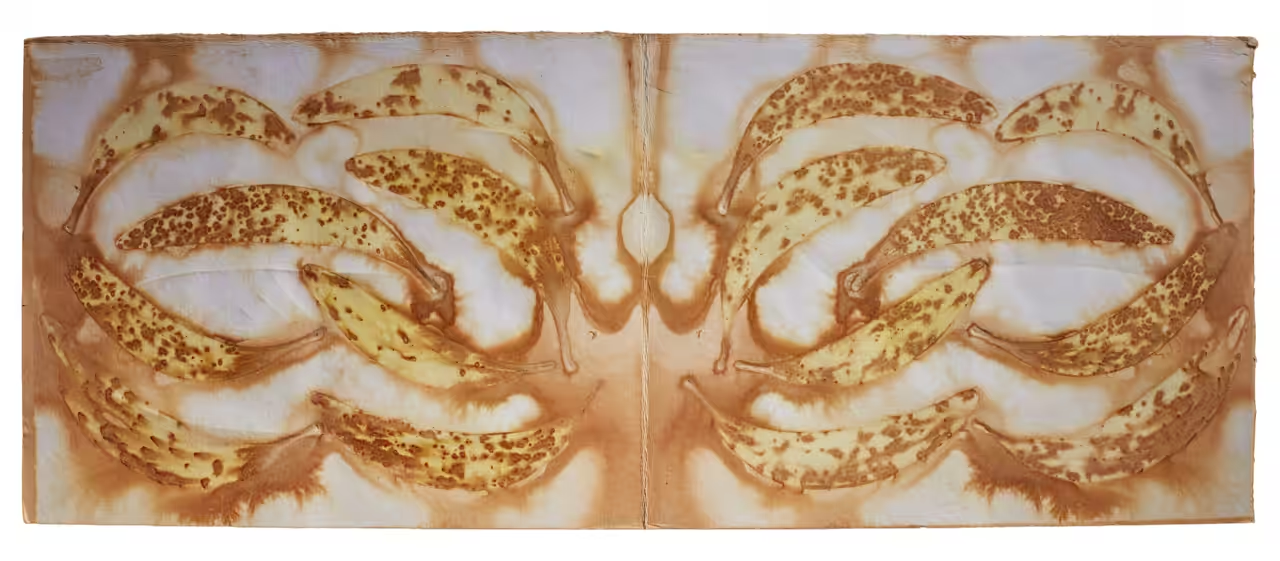
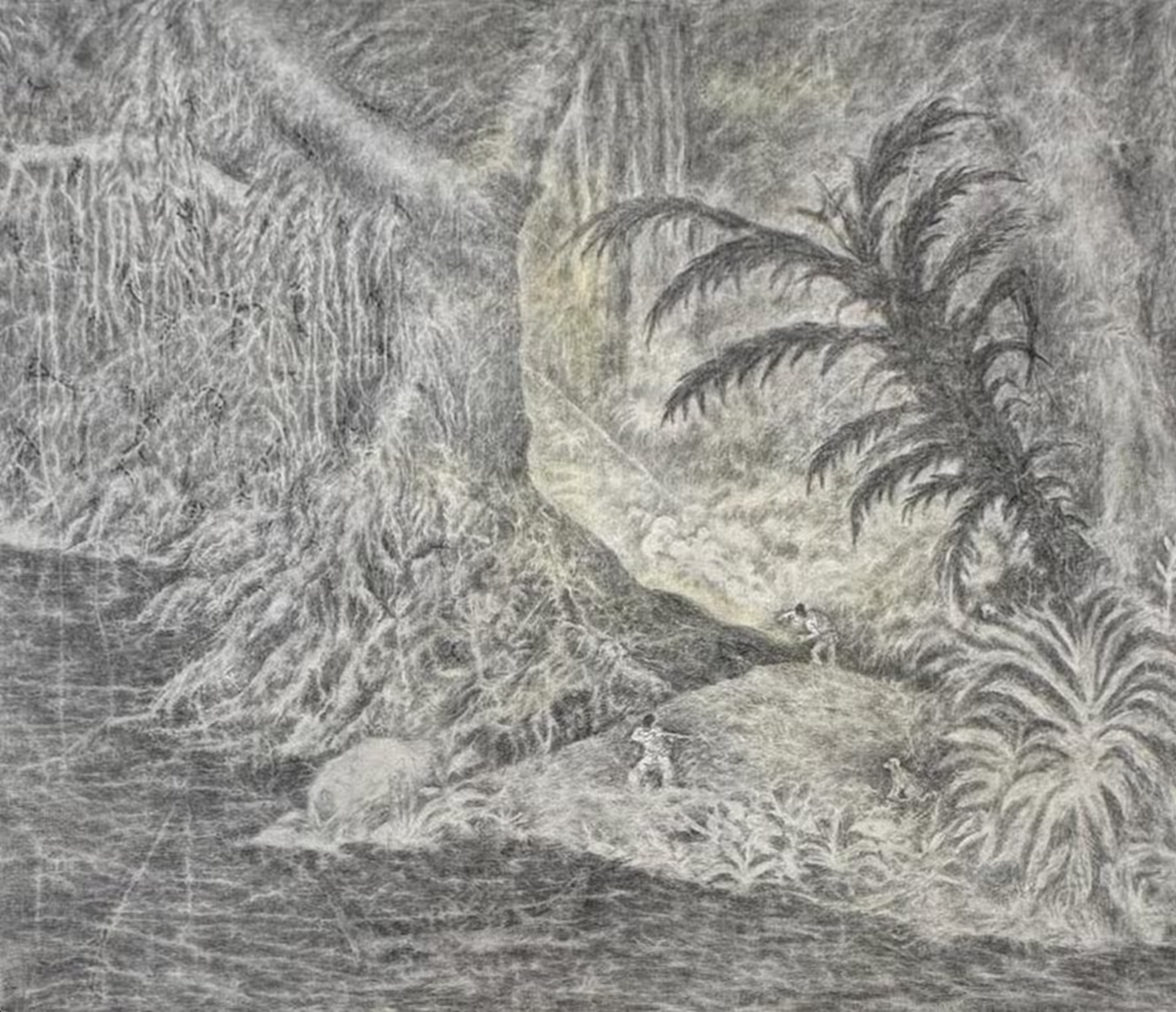
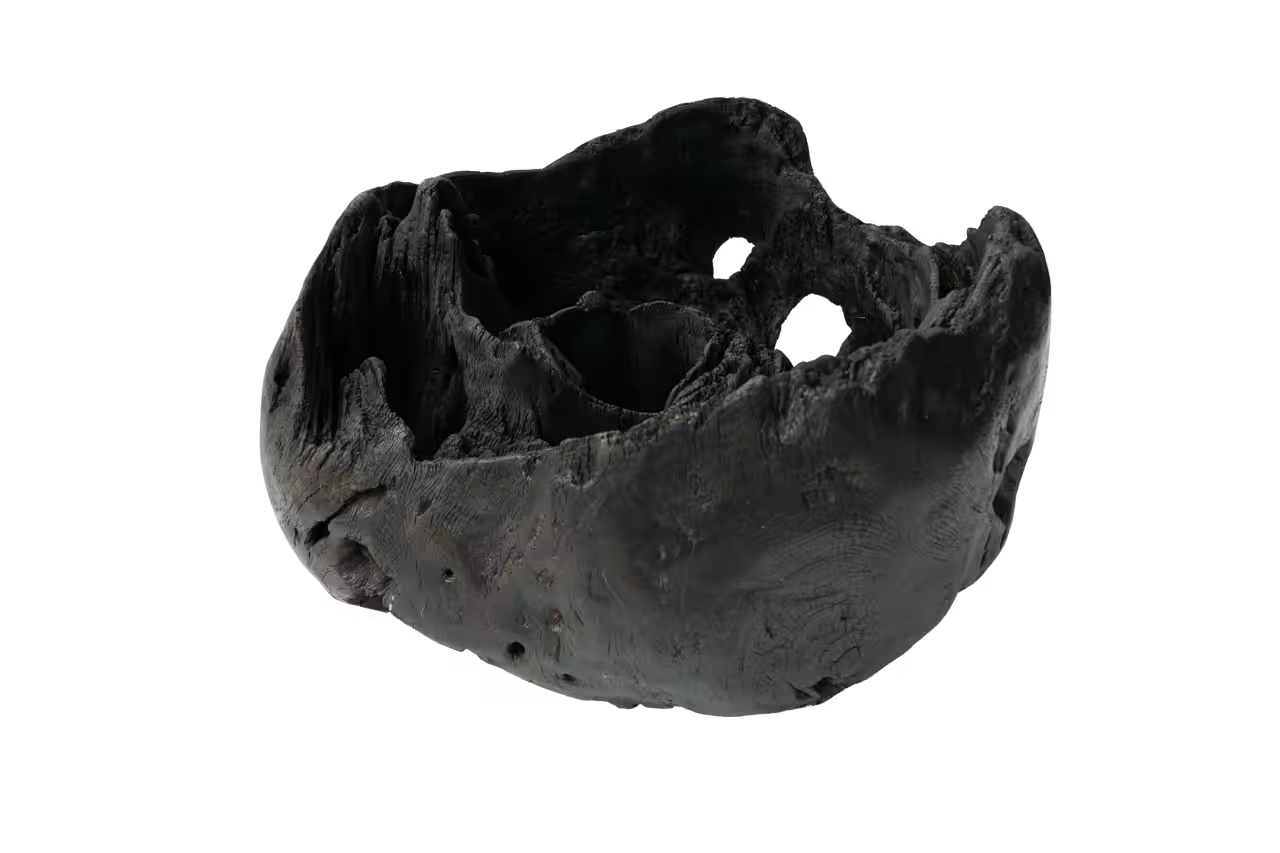
The artists explore a wide range of mediums from prints on textiles to photography, sculpture, found objects, crochet, paintings, drawings, performance and video art, installations, and book art.
- How do these artists influence Indian and contemporary art?
The artists all have practices founded on a respect for the agency of plants and their works are a key part of moving towards a narrative that does not undermine the lives of plants.
Key Works
- Which important works are in this exhibition?
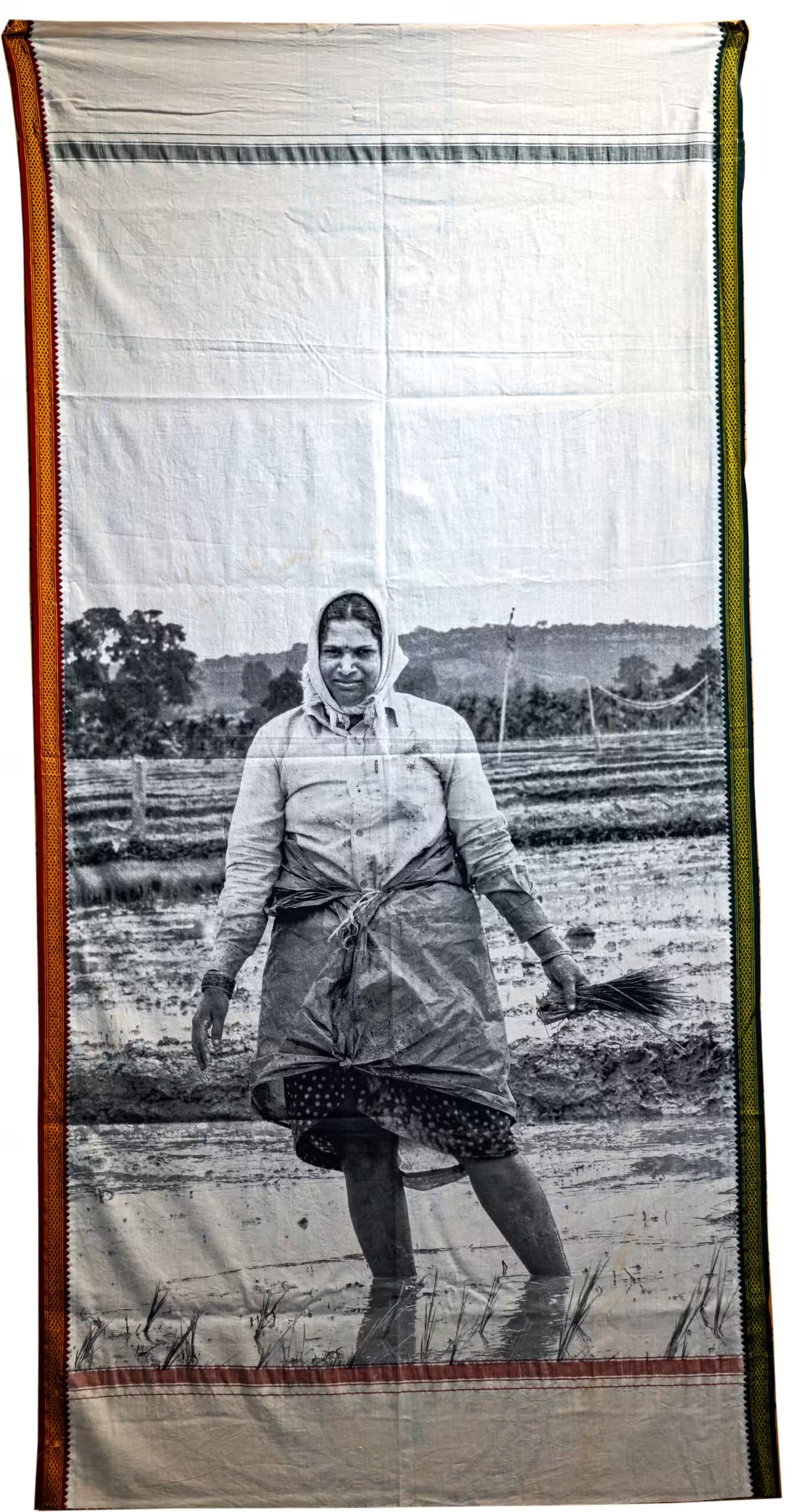
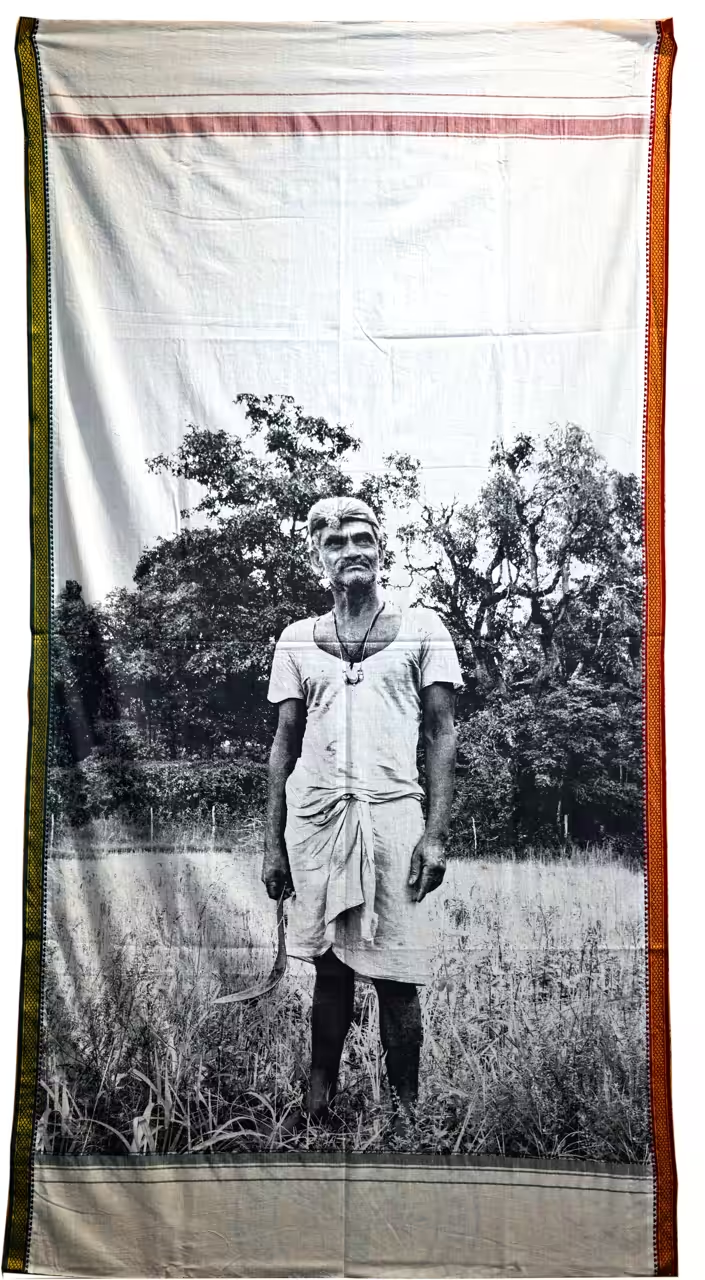
The exhibition begins with Arunkumar HG’s Vulnerable Guardians, a work that positions farmers and trees on the same land as equally custodians and equally vulnerable. It is a work that comments on society, economics, and the ecological needs perpetrated by civilization. As a work that speaks volumes, and as one that makes the theme of the exhibition palpable, it is a significantly powerful artwork.
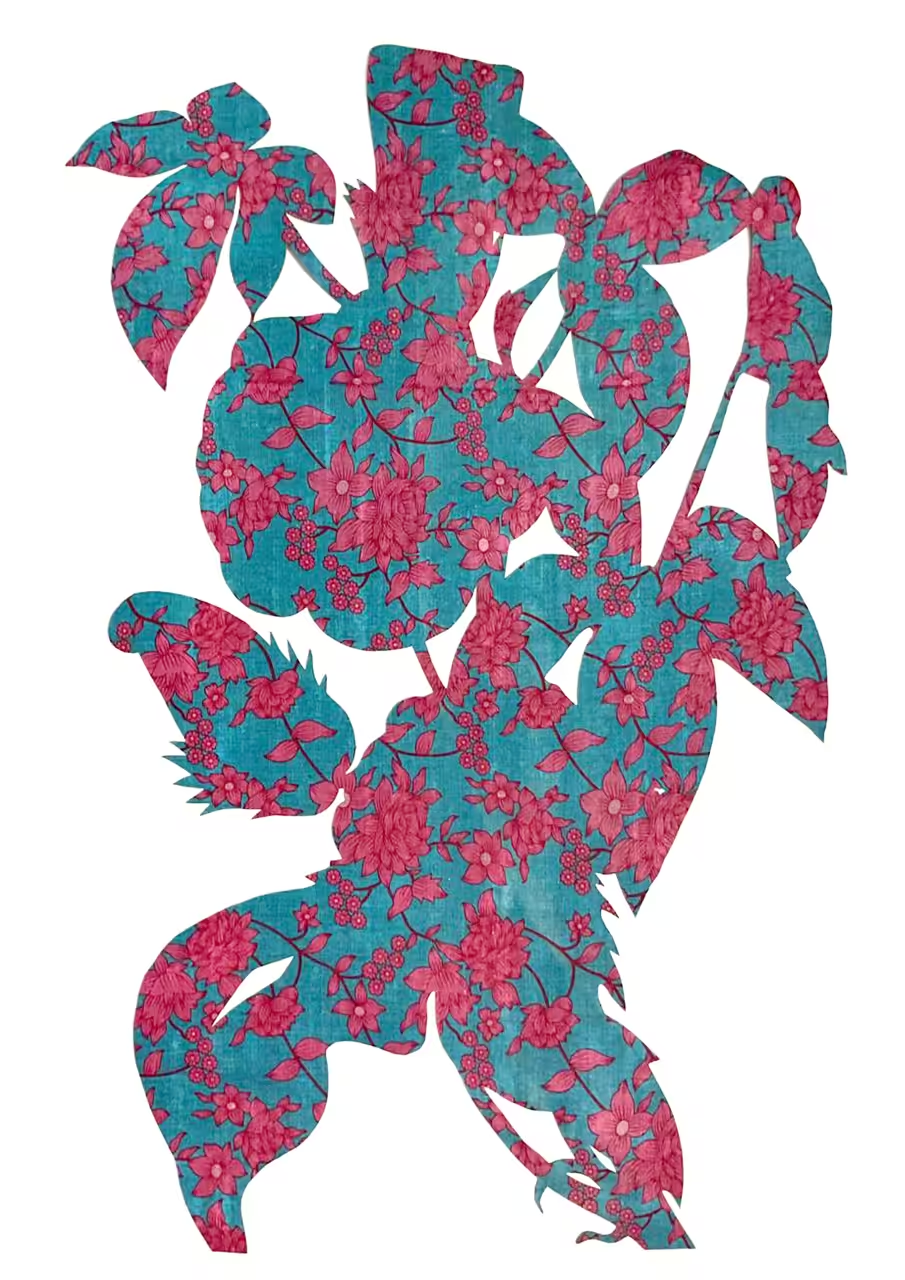
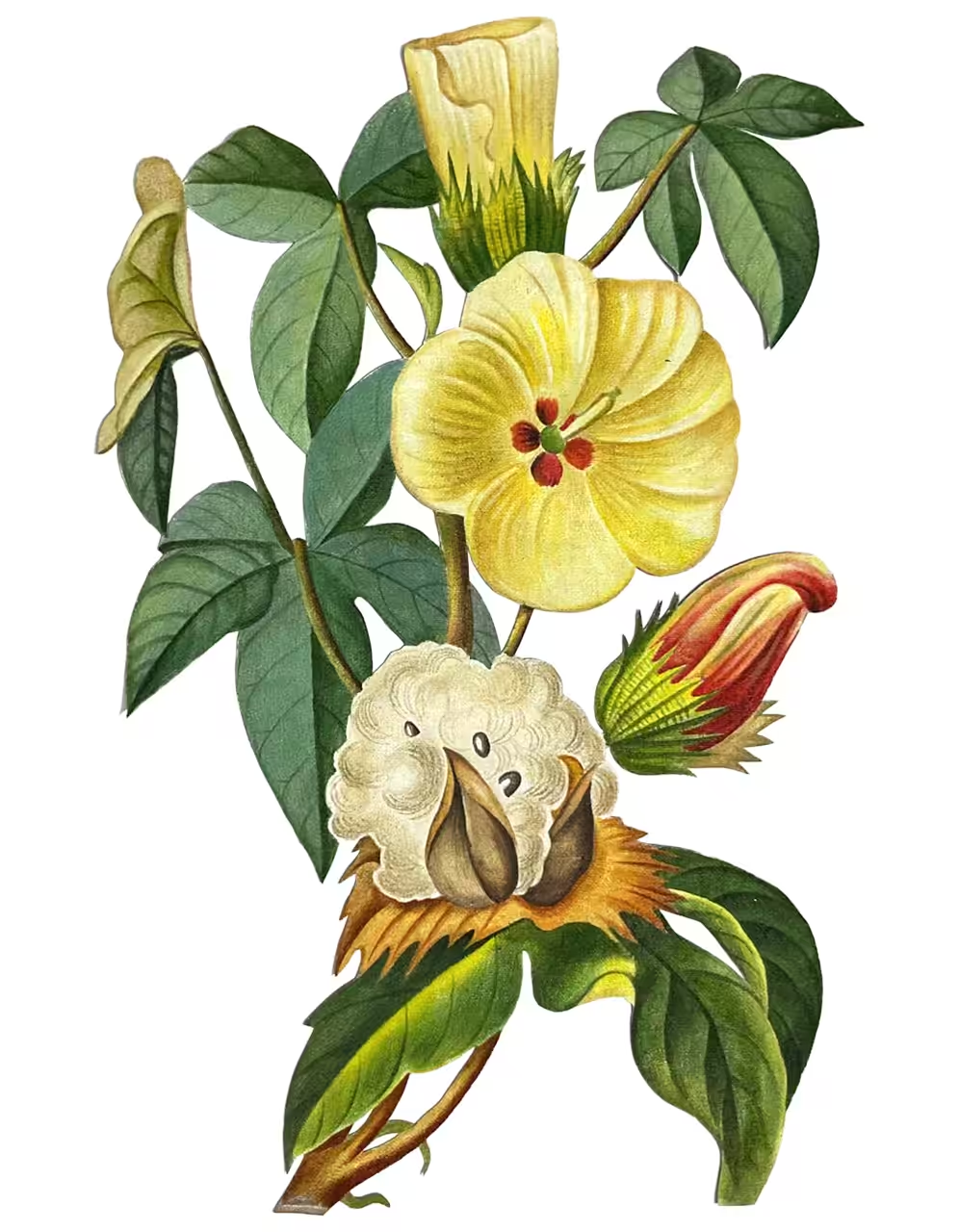
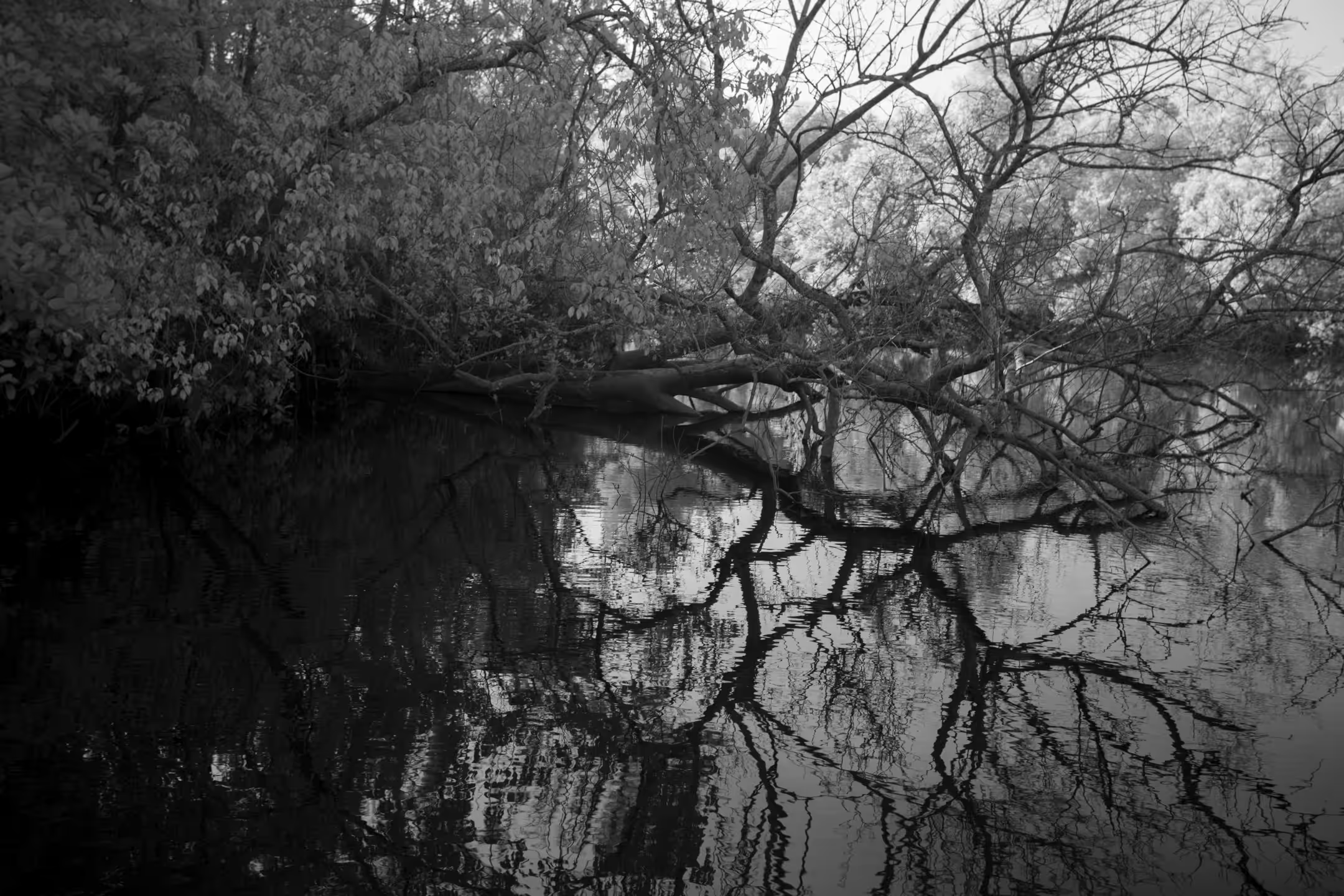
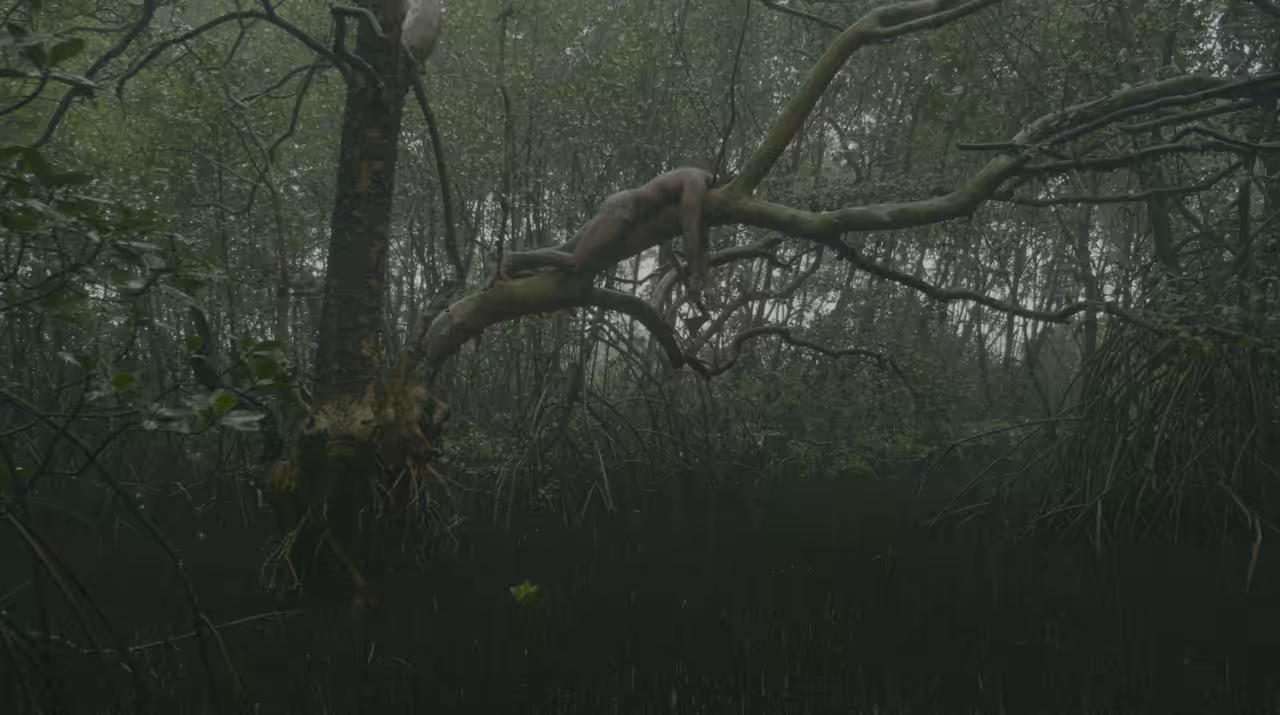
A very important artwork is Sandeep TK’s short film As Told by the Sea, 2026, which explores native flora in the mangroves of Kerala and the migration of plants across the sea either through natural forces or by exploitative human schemes. Ishita Chakraborty’s series Where the Wild Things Roam, 2026 (ongoing) is another artwork that touches upon this subject and looks at plants that have been exploited as products of harvest and colonial tools of economic power and luxury such as cotton, cocoa, and sugarcane.
We also have five artworks commissioned by the museum including a soundscape that covers the entire exhibition space by American practitioner Ben Goldfarb. It is an interpretive musical installation that takes plants and their surroundings as a reference to build what a plant may hear, from internal fluids to external vibrations. Radhika Agarwala’s immersive and living installation Where the Forest Begins Within is another very special work that is one of the cornerstones of how Inheritors of Earth has been built, to look and to learn from plants as living beings with agency.
Career and Context
- Who or what influenced the artists?
Every artist in the exhibition is in some way influenced by the lives of plants around them.
- How did the artists’ practices change over time?
Each artist’s practice has grown, evolved, and changed in direct relation with plants and ideas of arboreal life.
- How does each artist’s work relate to other artists of their time?
Every artist in the exhibition is deeply concerned about the lives of plants and at the core of the exhibition there is a concern of representation. Representation is one of the largest concerns in contemporary art, only in this show the artists turn that concern from the human to the plant.
- What historical or social context shaped their work?
Plants and the arboreal world have always been a background to human civilization. A space for the projection of our lives, our joy, love, anxiety, or violence. It has been a tool: for oxygen, for food, for science and medicine, for products and beauty. In a world where we are concerned for plants only for our own survival, this is an exhibition that wants to look at them for what they are beyond our need for them.
About This Exhibition
- What new perspective does this exhibition offer?
Phytovisualization, as conceptualized by curator Premjish Achari, puts forth an imagination of plants as agentic beings in a world of their own beyond the anthropocentric historical approach. Built on the growing field of phytowriting, this approach asks the visitor to think alongside the plant, and to look with them rather than at them as objects of consumption, beauty, or the background.
- Are any works being shown publicly for the first time?
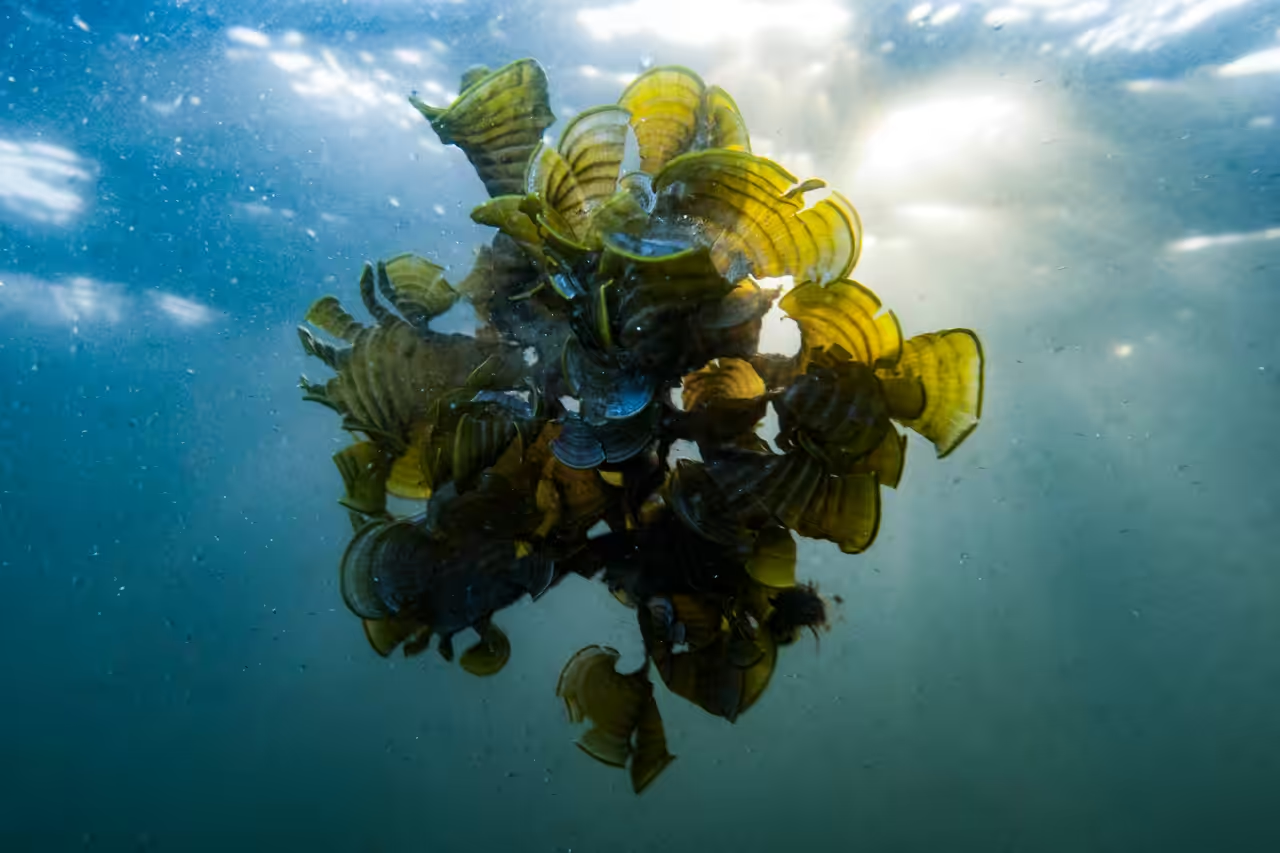
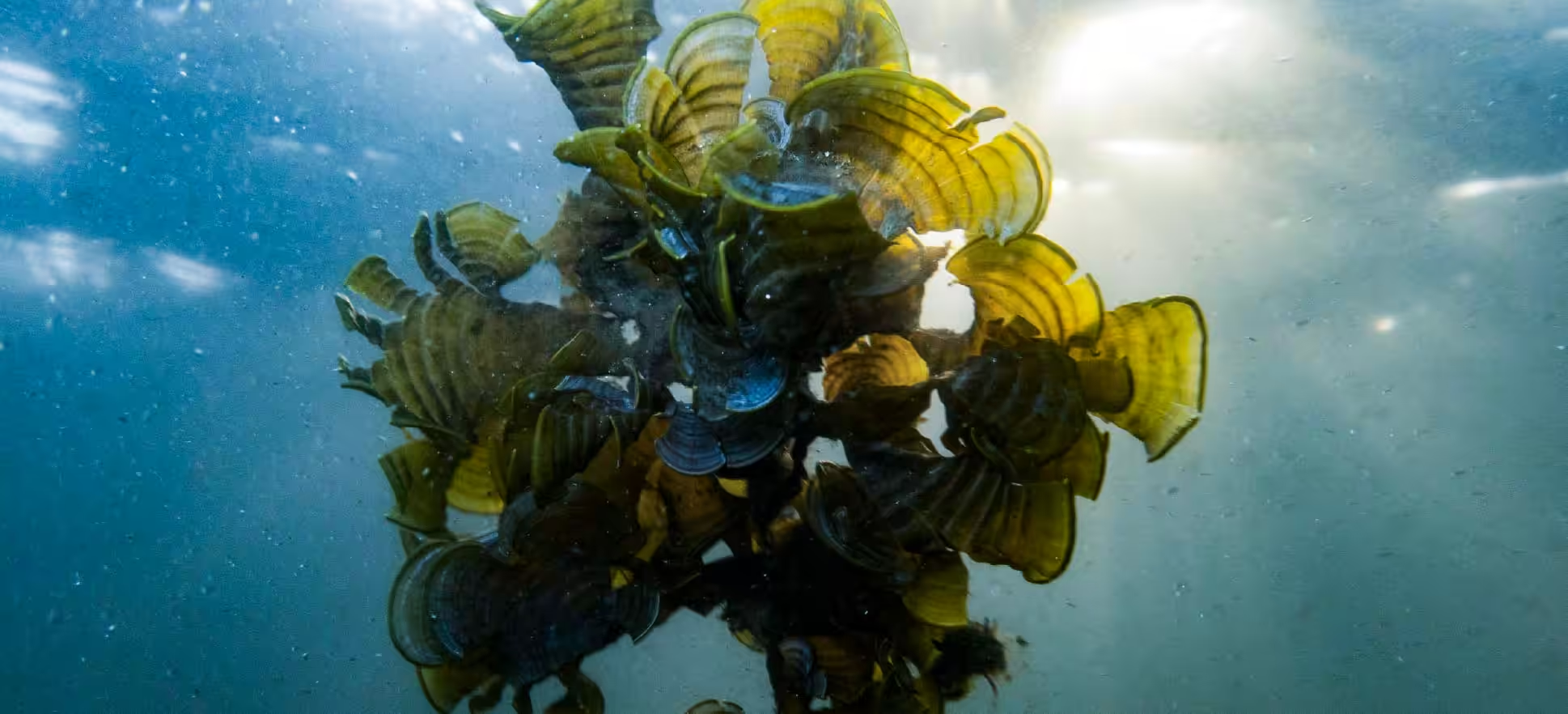
Sandeep TK’s short film As Told by the Sea, 2026, Gaurav Patil’s marine photographs, Ben Goldfarb’s soundscape, Sweety Chakma’s seating arrangement, Manuel Mata’s poem series Green Interviews, Bhimanshu Pandel’s drawings, Valay Gada’s sculpture, Sujith SN’s paintings, Maksud Ali Mondal’s new edition of Phytosynthetic Architecture, Radhika Agarwala’s Where the Forest Begins Within, and Manir Mrittik’s sculptures are all being shown for the first time ever.
- How were the works selected for the exhibition?
The artworks in the exhibition were all selected on the basis of their thematic and intentional relationship with a deep practice in looking at and learning from the lives of plants.
- What should I look out for while viewing the works?
Look for how each artist represents plants. How do they differ? What do they want to say? What is the value and agency of the plants in these artworks? Do you see different kinds of plants, or different ways that the same plant has been portrayed? Do you see a difference in how a plant is shown in a film and how it looks in a drawing? Is it important for you to see plants in colours are their forms more attractive?
Every artist has worked with different kinds of materials, from found wood sculptures, leaf prints, and crocheting to charcoal drawings, tempera paintings, digital films, and lenticular photography. The intentions, meanings, and feelings are different, and so are their environments and installations. Every room offers something new, and every cluster speaks of new things.
Artworks in this exhibition have come out of years of intimate looking, and learning from the lives of plants, and each artist has their own stories to tell. Hopefully you will have stories of your own, so look once, and look again, and give yourself to the world of plants.

 Discover new videos and
articles



 KNMA, New Delhi


 Colorized Scene from As Told by the Sea (2026), Sandeep TK