
 Discover new videos and
articles
Discover new videos and
articles 


In-Rhythm
09 Sep 2026 - 22 Dec 2026
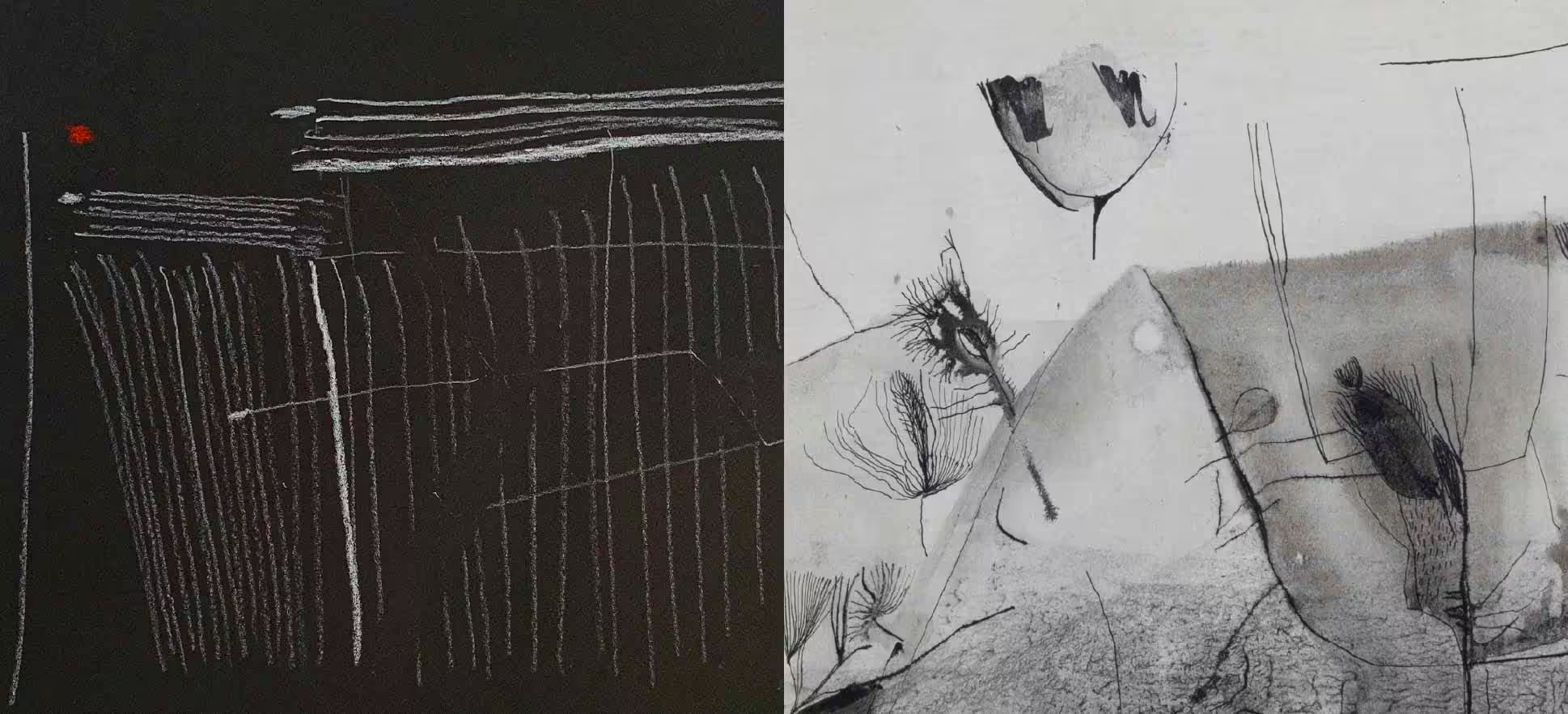
Between repetition and difference, rhythm emerges.
In-Rhythm brings together the works of Italian artist Bice Lazzari (1900-1981) and Indian artist Nasreen Mohamedi (1937-1990), two artists who never met yet developed strikingly resonant approaches to abstraction across different geographies and histories. Working during a period when modernist discourse remained largely shaped by male experience, both artists pursued independent visual languages grounded in discipline, repetition and sustained attention. For them, abstraction was not an escape from reality but a way of engaging with it. Formed within different cultural and social landscapes, both artists lived through periods of profound historical rupture and pursued abstraction at a time when the structures of modernism remained largely shaped by male experience.
Bringing together works from 1920s-1930s and 1960s to the early 1980s, the exhibition explores their shared engagement with line, rhythm, geometry and restraint. Rather than suggesting influence, it reveals an unexpected artistic kinship, where limitation becomes a means of creating clarity, emotion and freedom. Through subtle variations in line, spacing and colour, both artists transformed repetition into something lyrical and deeply personal.
Presented by KNMA in partnership with the Italian Cultural Centre, New Delhi, the exhibition culminates in a direct visual dialogue between two singular practices that continue to reshape our understanding of abstraction in art.
The exhibition features artworks from the Archivio Bice Lazzari, Rome.
About the artists
Bice Lazzari
Bice Lazzari (1900–1981) was one of the pioneering figure of the twentieth century Italian art. She devoted her entire life to a field that was not considered appropriate for a woman at the time. Trained as a young girl in Classical piano, and later at the Accademia di Belle Arti in Venice in 1916, she began her artistic career by working on the loom, tapestry and applied art. She collaborated closely with Giò Ponti and Carlo Scarpa. Towards 1930s, she engaged more with avant-garde abstraction and became a forerunner of conceptual painting. She went on to produce important works on canvas and paper, ranging from figurative works to experiments in architecturally inspired geometric abstraction revealing her nuanced exploration of minimal forms, line, space and repetition.
Nasreen Mohamedi
Nasreen Mohamedi (1937–1990) was an Indian artist, born in Karachi and raised in Mumbai. She is regarded as an important figure within Indian modernism, particularly for her distinct approach to abstraction. After studying at Central Saint Martins in London, she travelled and worked in Europe before returning to India in the early 1970s. She later joined the Faculty of Fine Arts at MS University, Baroda, where she taught and developed her practice. Her visual language is defined by minimal lines, geometric forms, grids, rhythm and space. Photography also formed an important part of her practice. Influenced by poetry, Indian classical music and modernist architecture, she reduced forms to their essential rhythms and structures.
 KNMA, New Delhi
DLF South Court Mall, Near Select Citywalk Mall, Saket, New Delhi, 110017
Nasreen Mohamedi
Roobina Karode


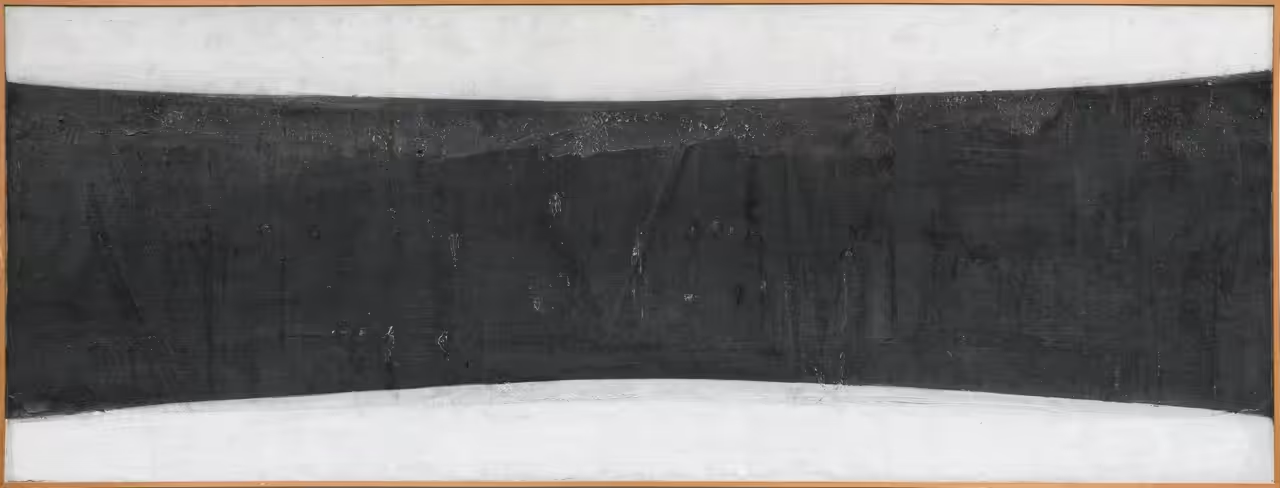
 Absolute (1963), Bicce Lazzari
 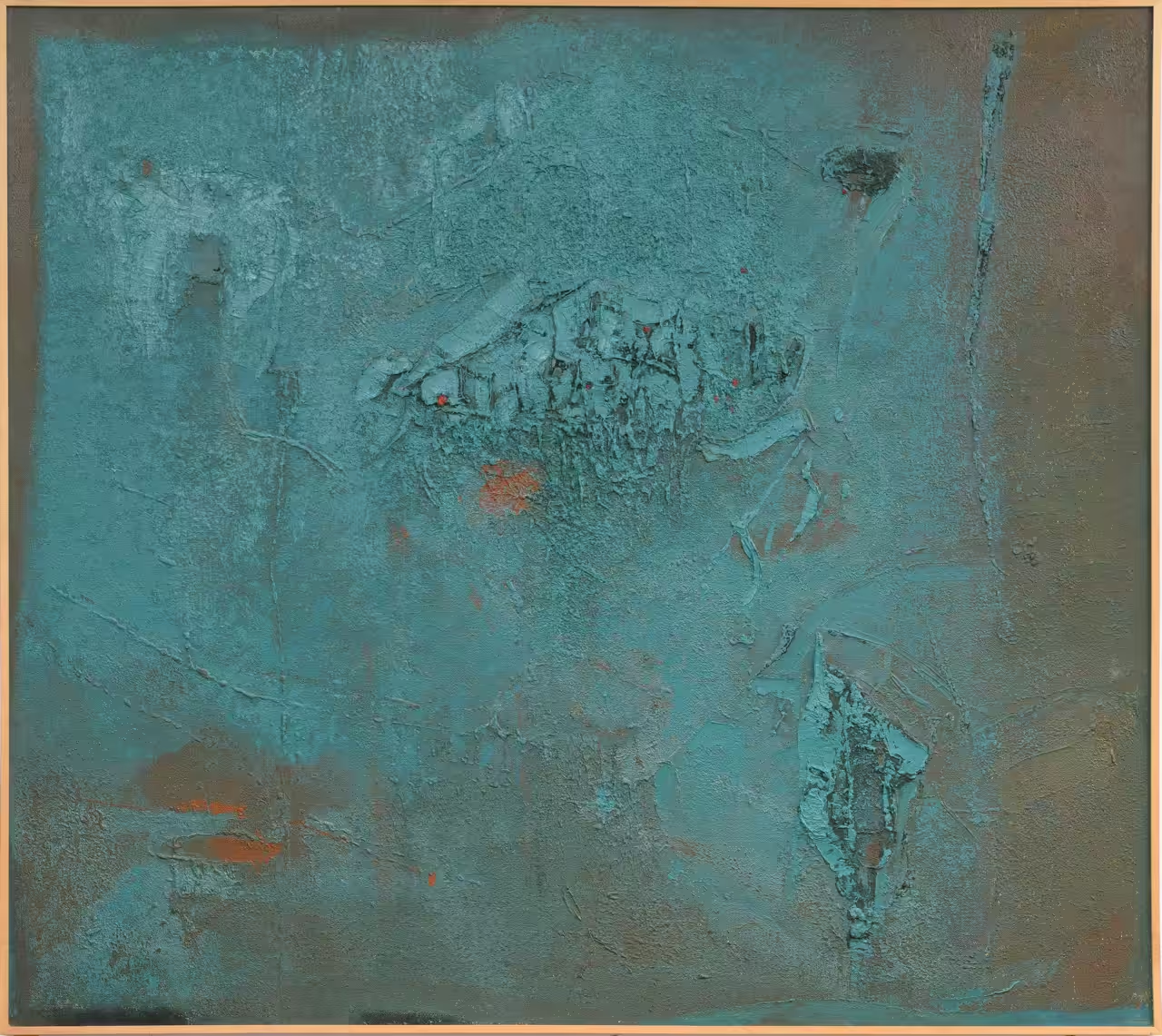 Informal Green (1958), Bice Lazzari
 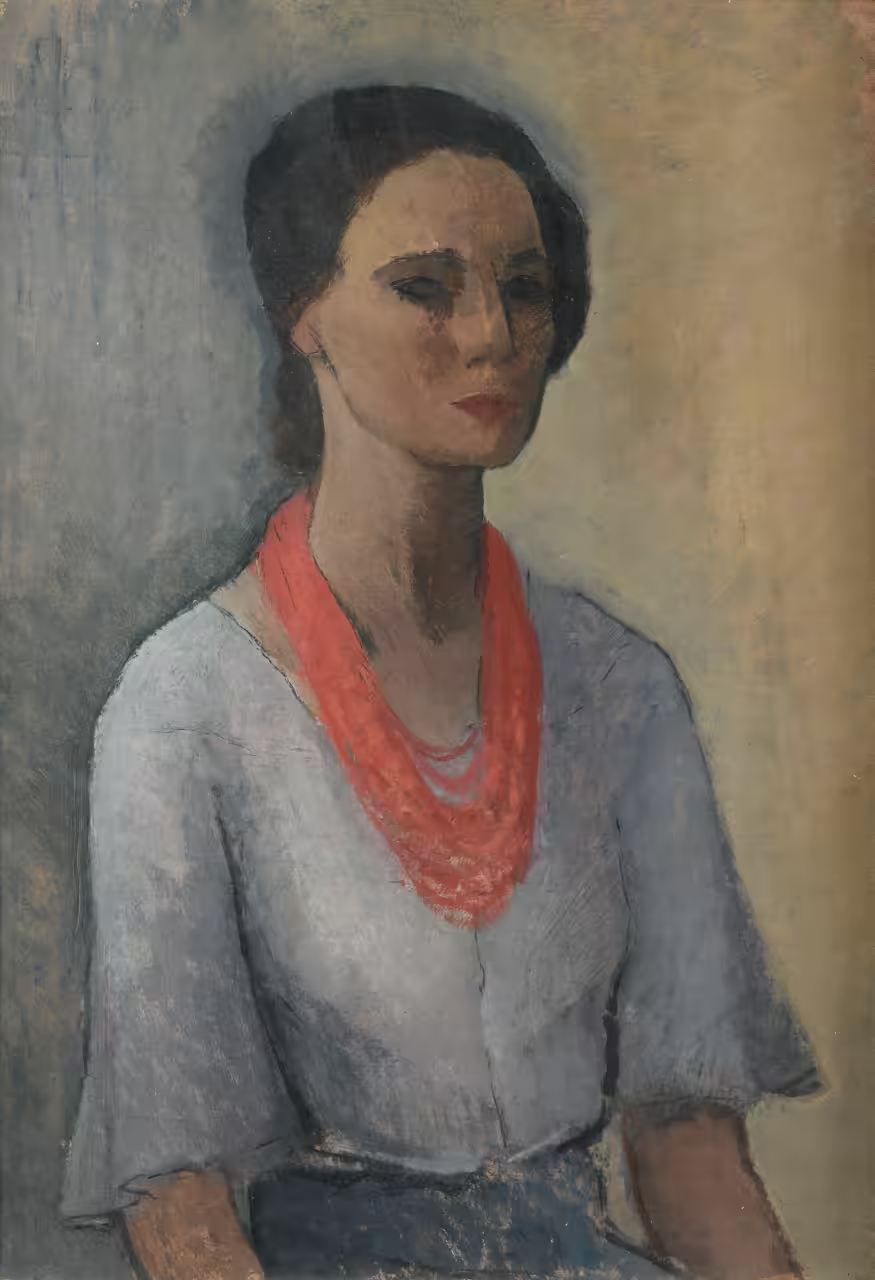 Self Portrait (1929), Bice Lazzari
 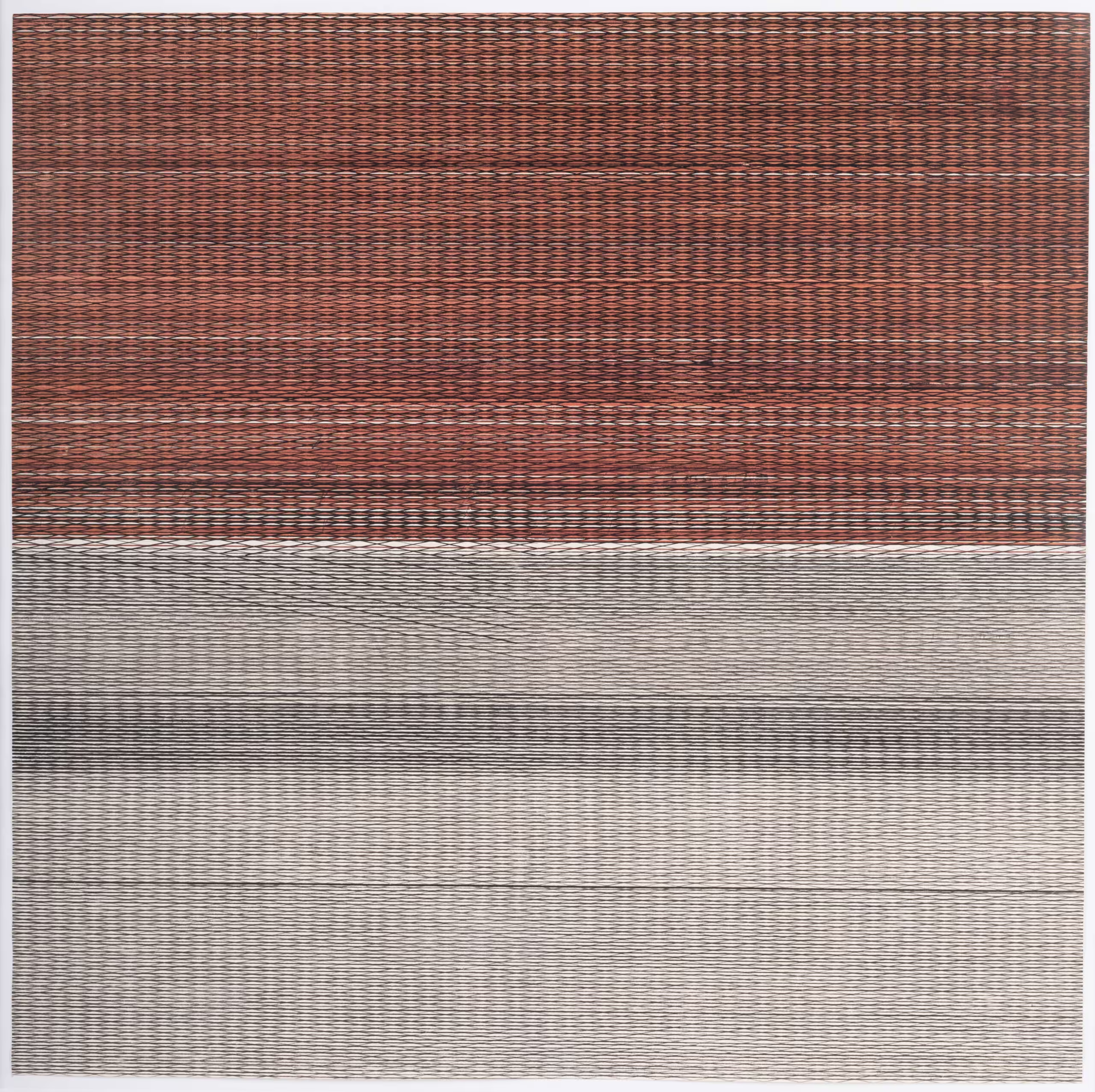 Untitled (1970), Nasreen Mohamedi
 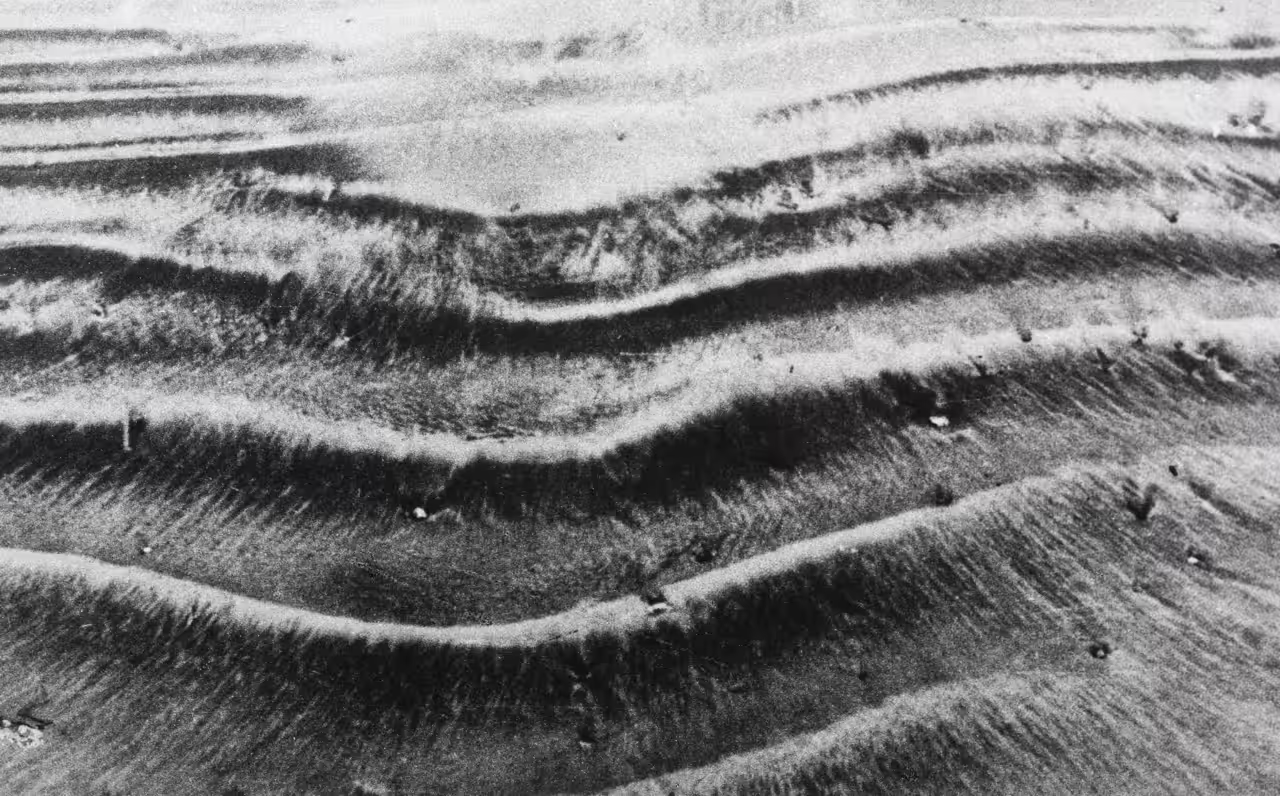 Untitled (1975), Nasreen Mohamedi
 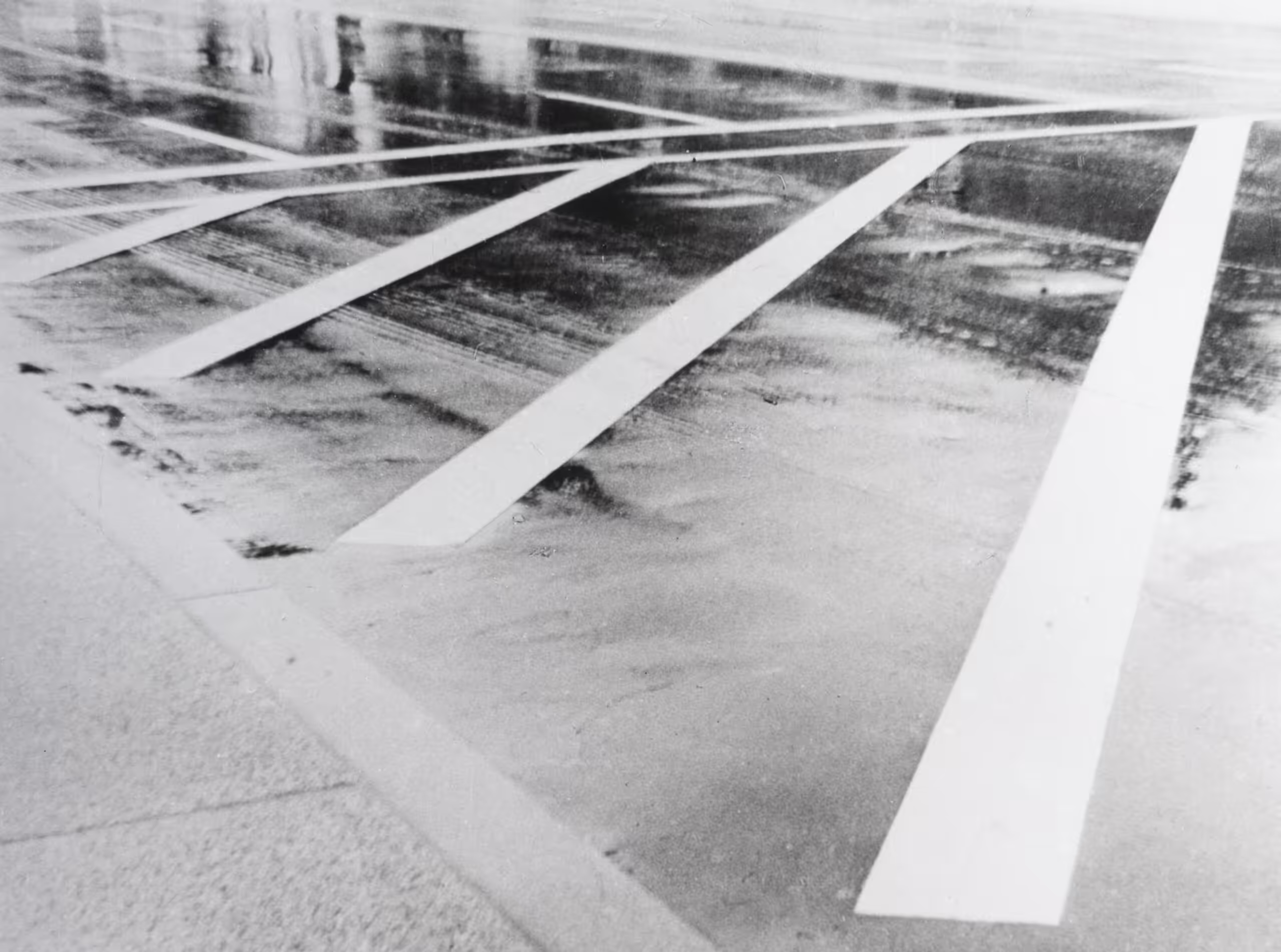 Untitled (ca.1970s), Nasreen Mohamedi