
 Discover new videos and
articles
Discover new videos and
articles 



About KNMA
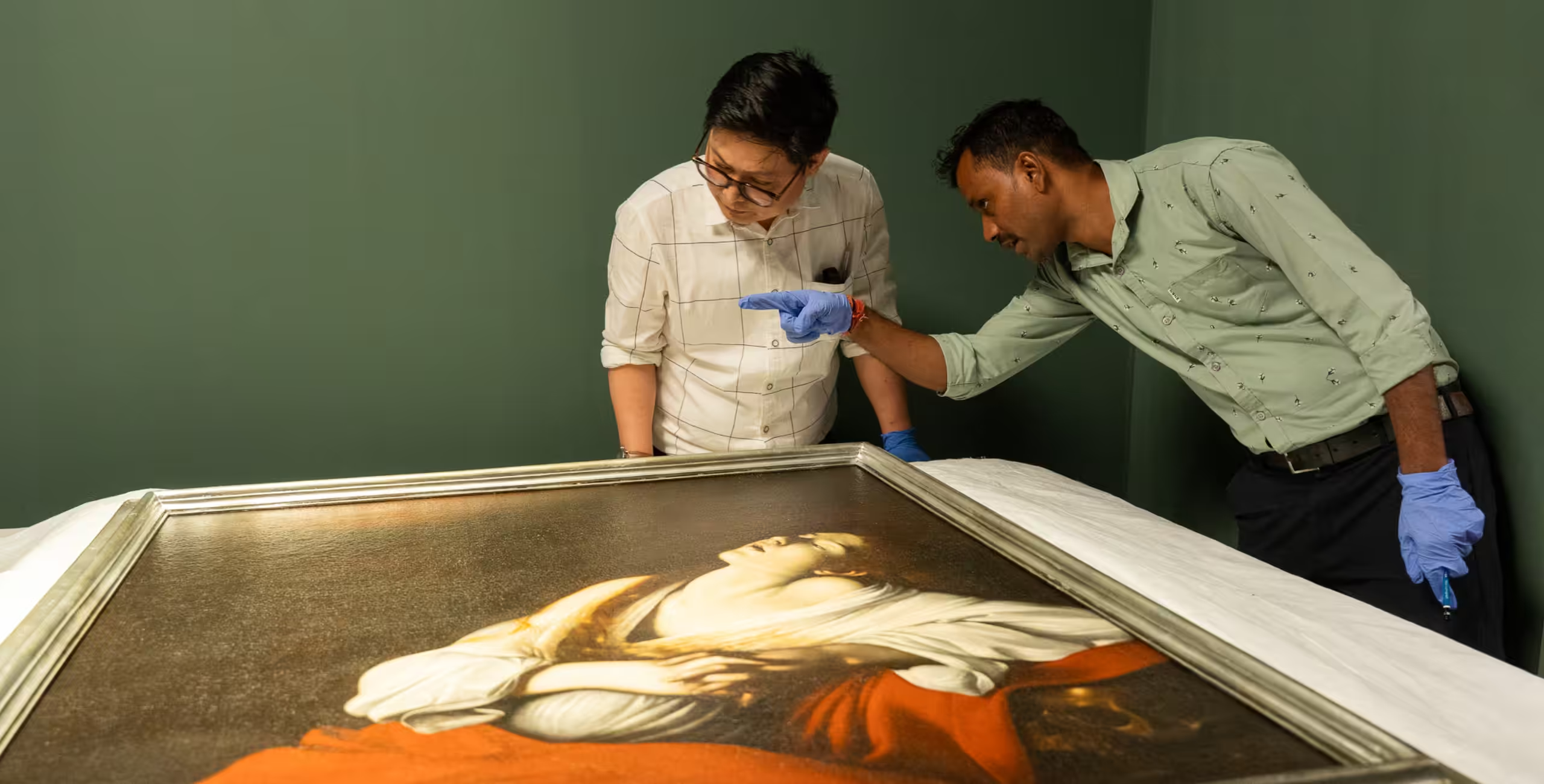
Established at the initiative of the avid art collector Kiran Nadar, the Kiran Nadar Museum of Art (KNMA) opened its doors to the public in January 2010, as the first private museum of art exhibiting modern and contemporary works from India and the sub-continent. Located in the heart of New Delhi, KNMA as a non-commercial, not-for-profit organization intends to exemplify the dynamic relationship between art and culture through its exhibitions, publications, educational, and public programs.
KNMA functions as both a museum and a learning space, bringing together artists, curators, educators, students, and the wider public through meaningful engagement with art and culture.
About the Role
In collaboration with HR Leadership, the Manager – Learning & Development (L&D) will establish and facilitate KNMA’s learning ecosystem to support organizational expansion, leadership development, and institutional capability building. The role acts as a bridge between knowledge, people, and purpose, in alignment with KNMA’s culture and mission.
This role requires balancing:
- Scholarly depth and public accessibility
- Tradition and innovation
- Creative autonomy and institutional governance
Key Responsibilities
1. Residencies, Fellowships, Knowledge Systems & Partnerships – 35%
- Design, manage, and evaluate Residency, Fellowship, Internship, and Volunteer learning frameworks.
- Partner with curatorial, conservation, education, and research teams to define learning objectives, mentorship structures, and outcomes for residents and fellows.
- Support visiting scholars, artists-in-residence, and practitioners through structured learning and knowledge-exchange experiences.
- Capture institutional knowledge from residencies and senior experts into sustainable knowledge systems and documentation.
- Manage and support partnerships with universities, museums, cultural bodies, and external experts, in alignment with institutional priorities.
2. L&D Strategy, Capability Building & Performance Enablement – 25%
- Develop and implement the L&D strategy in alignment with organizational and HR priorities and the organization’s expansion plans.
- Establish L&D frameworks and processes.
- Design role-based competency frameworks and future capability models across museum functions.
- Conduct learning needs analysis and translate insights into structured learning pathways and outreach plans.
- Align learning outcomes with performance management, succession planning, and internal mobility initiatives.
3. Learning Programs, Leadership Development & Delivery – 25%
- Design and deliver learning interventions for staff across career stages and functional areas.
- Facilitate leadership and people management development programs, including for first-time managers and senior leaders.
- Create and manage blended learning solutions, including workshops, peer learning, mentoring, digital learning, and external programs.
- Build people-manager capability in coaching, feedback, performance conversations, and managing creative and scholarly teams.
- Design and continuously improve onboarding and early-tenure learning experiences, particularly during expansion phases.
- Work in coordination with the Manager – Human Resources (Generalist) to ensure learning initiatives are informed by workforce and performance data, and supported through HR processes such as nominations, participation tracking, and record-keeping.
4. Culture, Change, Governance & Budget Management – 15%
- Embed organizational values, inclusion, and ethical practices into learning and leadership initiatives.
- Support organizational change, new ways of working, and technology adoption through capability-building initiatives.
- Develop and manage the L&D budget and learning vendor relationships.
- Ensure compliance-related learning requirements are met (ethics, safeguarding, DEI, health & safety, collections care).
- Track and report agreed L&D metrics and learning impact indicators.
The role requires flexibility to adapt to changing organizational needs. Allocation of time across responsibilities may vary based on institutional priorities and growth phases.
Required Skills & Experience
- Postgraduate qualification in HR, Learning & Development, Education, Organizational Development, or a related field.
- 7-8 years of experience in L&D or talent development, with at least 3-5 years in a managerial role.
- Experience designing and implementing learning frameworks and programs in complex, knowledge-driven organizations.
- Strategic thinking and program design.
- Strong stakeholder management and collaboration skills.
- Facilitation and instructional design capability.
- Understanding of adult learning principles.
- Cultural sensitivity and appreciation for creative and scholarly environments.
- Project management, budgeting, and operational discipline.
Desirable Skills (but not Mandatory)
- Experience in museums, cultural institutions, academia, heritage, or not-for-profit organizations.
- Exposure to residency, fellowship, or academic-style learning programs.
- Experience supporting change in growing or transitioning organizations.
What We Offer
- The opportunity to contribute meaningfully to one of India’s leading modern and contemporary art institutions.
- A mission-driven context that values research, critical thinking, and long-term cultural impact.
- Access to behind-the-scenes institutional processes – from exhibition development to public engagement strategy.
- Meaningful engagement with artists, ideas, and diverse audiences.
- A workplace embedded in active contemporary cultural discourse.
How to Apply
Interested candidates must send their updated resumes to: