
 Discover new videos and
articles
Discover new videos and
articles 


Eckart Muthesius and Manik Bagh – Pioneering Modernism in India
Exhibition closed on
10 Dec 2024
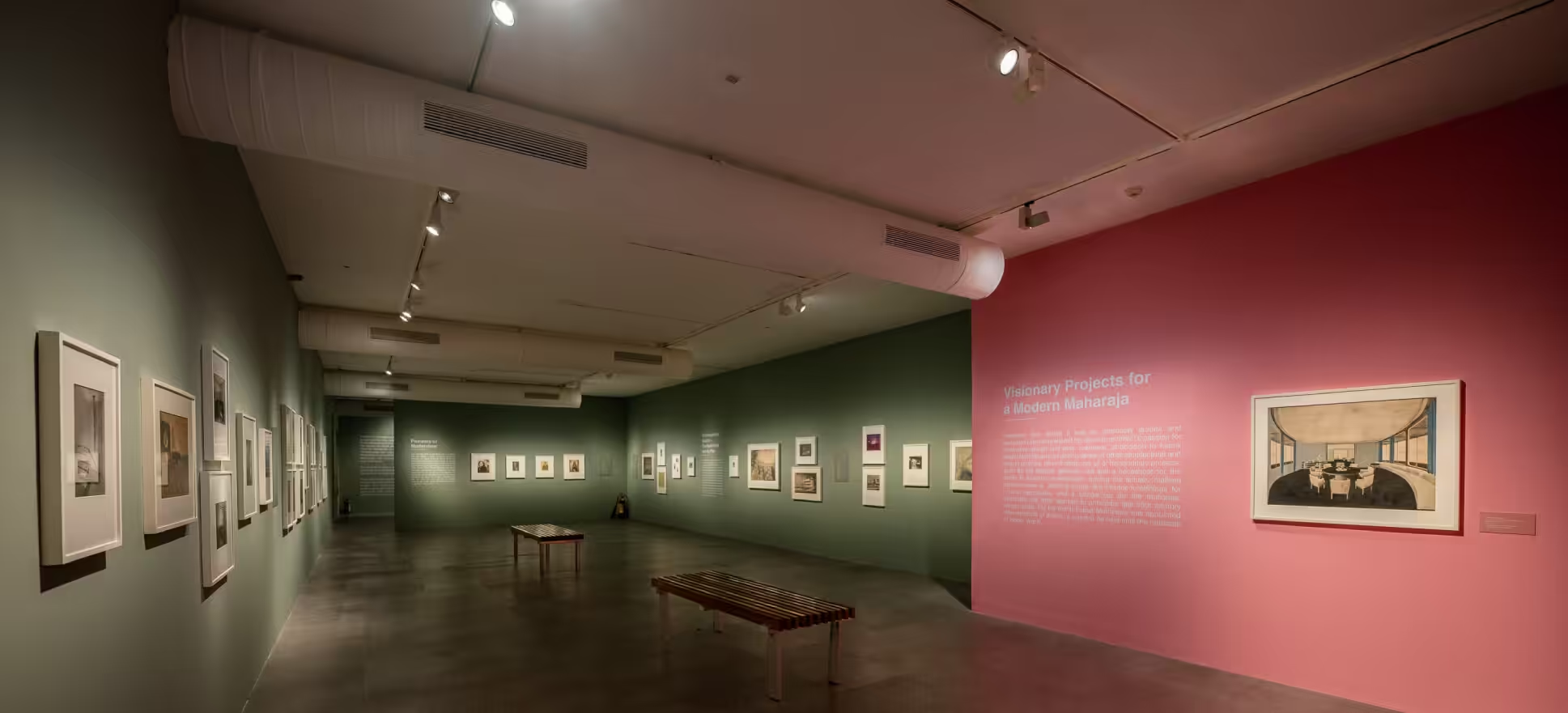
The jewel in the crown of the Maharaja of Indore, as one of the first truly ‘modern’ buildings in India as the country was itself at the cusp of tectonic shifts, the Manik Bagh palace marked a shift in the country's artistic sensibility.
Maharaja Yashwant Rao Holkar II and German architect Eckart Muthesius’s friendship struck at a garden party in Oxford, resulting in India’s earliest icon of modernity, Manik Bagh or ‘Gem Garden’. With this project, Muthesius brought the principles of Bauhaus, the German architectural movement that favoured mass production and functionalism over extravagance, to India.
The Maharaja and his wife, Maharani Sanyogita Devi, were both educated in England and wanted to bring the cosmopolitan sensibilities back to India. They shared a vision and a grand ambition of creating something new and unique. The duo, along with Muthesius, travelled extensively across Europe’s cultural capitals – London, Paris and Berlin – for inspiration in artistic salons and at exhibitions of design and architecture. Through Manik Bagh, Muthesius blended the East and West, taking into account India’s climate, paying homage to traditional edifices like the Mughal Gardens to create industrial yet beautiful designs. The palace design has a strong European influence, with designers and architects like Charlotte Alix, Louis Sognot and Marcel Breuer contributing to the layout, design and furniture, along with Muthesius.
The exhibition puts on display photographs of the palace through its various stages – photographing of architecture that would inspire the design, the colonnades and courtyards as they arose and the sleek character of various rooms as they cemented their place in India’s modern architecture. Also on display are personal photographs of the extravagant couple and the early sketches of designs that would come to life as furniture across the palace.
Manik Bagh represented a dichotomy – a temple of architectural sensibilities of Bauhaus that responded to the economic distress of the 1920s and 1930s while being incorporated into a palace, a mecca of lavishness. The exhibition encapsulates this duality as it takes viewers through the evolving aspirations of an urbane India.
 KNMA, New Delhi

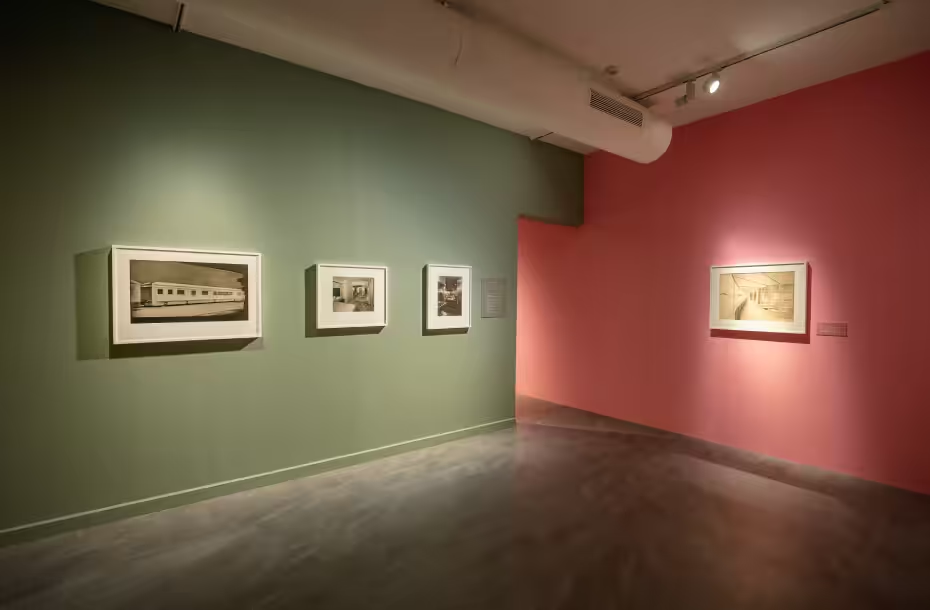
 Eckart Muthesius and Manik Bagh, 2024
 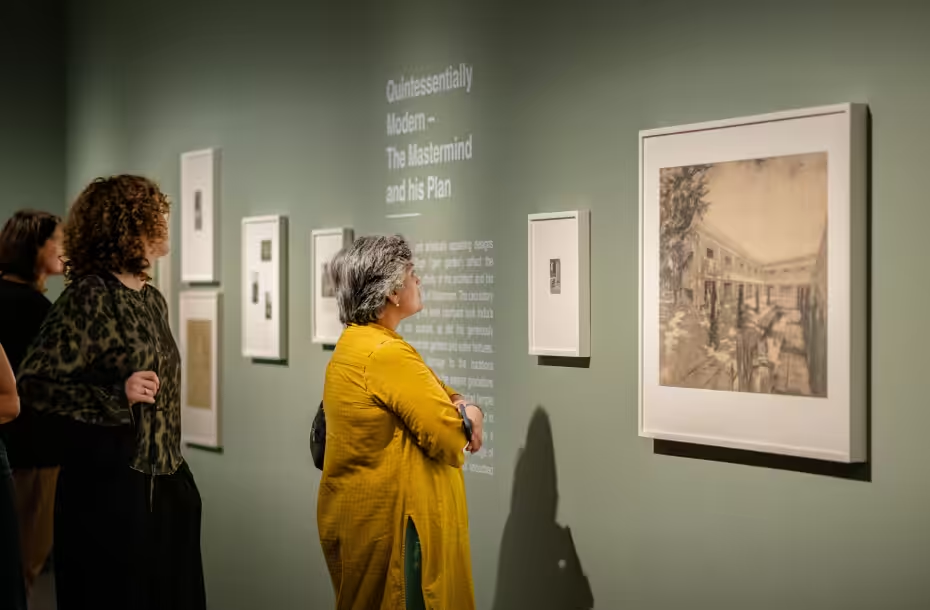 Eckart Muthesius and Manik Bagh, 2024
 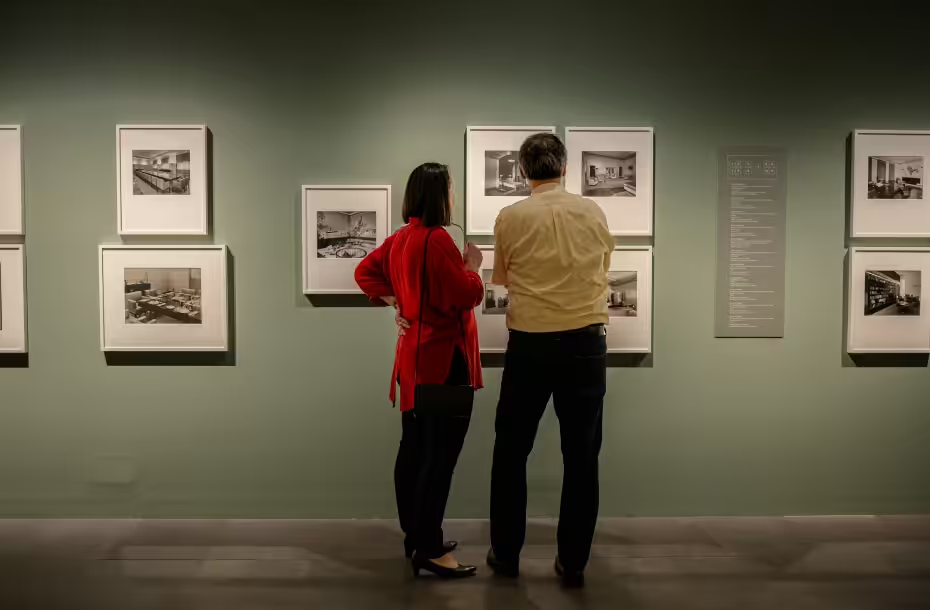 Eckart Muthesius and Manik Bagh, 2024
 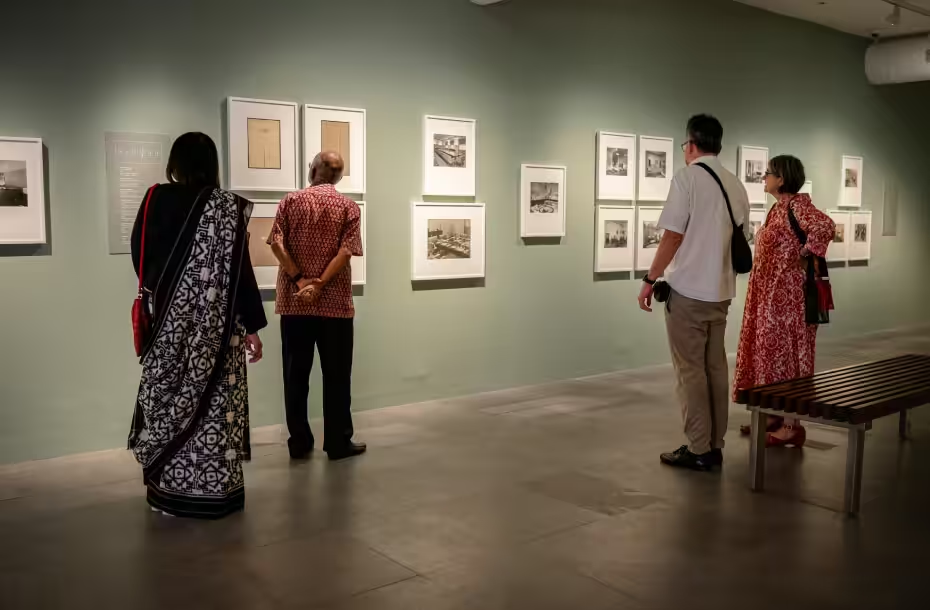 Eckart Muthesius and Manik Bagh, 2024
 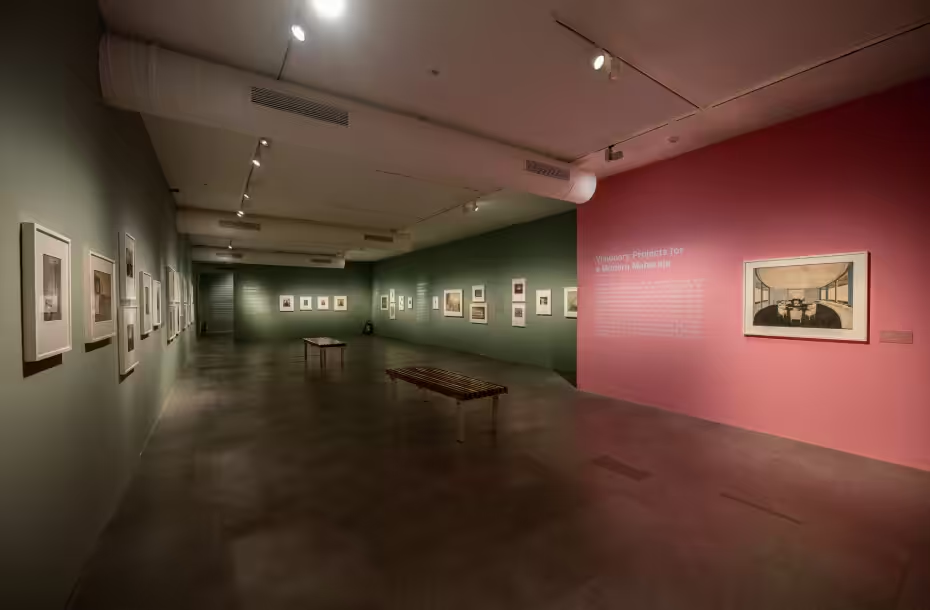 Eckart Muthesius and Manik Bagh, 2024
 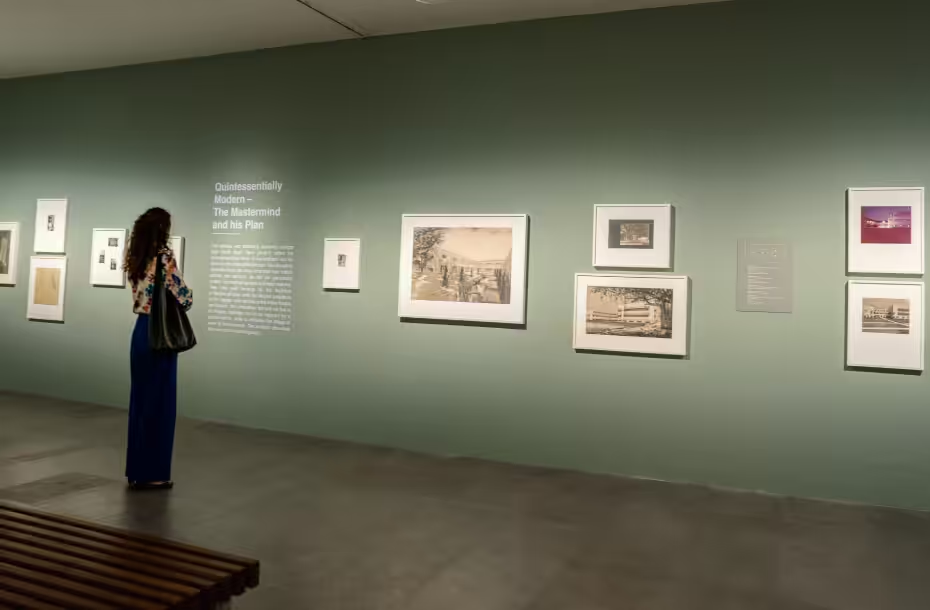 Eckart Muthesius and Manik Bagh, 2024