Discover new videos and
articles
Discover new videos and
articles 


English

09 May 2026 - 22 Nov 2026
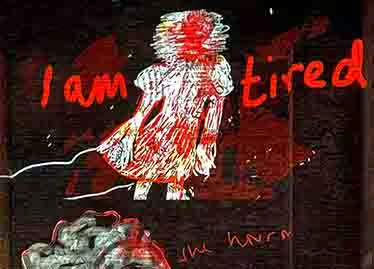
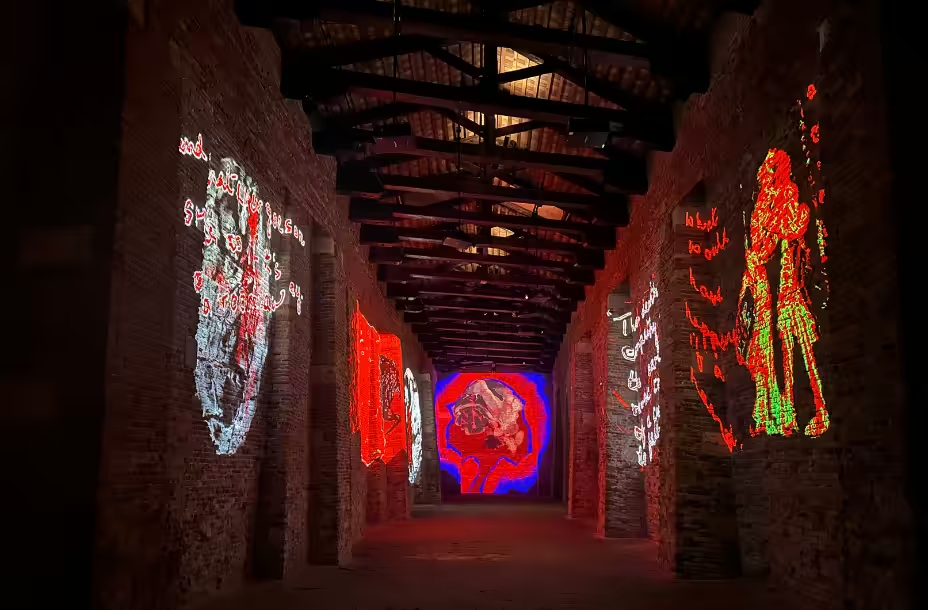
Of Woman Born, curated by Roobina Karode – newly commissioned for the Museum, is an immersive animation chamber that invites viewers to reconsider fixed geopolitical imaginaries and to ask: For whom is history written? What might maps, myths, and futures look like if redrawn from the perspective of those who survived the violence of war?
The Concept
The exhibition offers a contemporary reflection on the ancient Greek figure Orestes, who killed his mother in retaliation for the death of his father and was ultimately pardoned by Athena despite being pursued by the Furies. For Nalini Malani, the present moment resonates with this myth, where wars are waged in the name of self-defence and those who perpetrate violence frequently remain unaccountable. Through this parallel, Malani urges a rethinking of geopolitical demarcations and foregrounds the agency of women who bear the brunt of global conflict. In her practice, memory is activated through materials, contexts, and imagination; sources drawn from literature, mythology, and philosophy dissolve and reconfigure through technological mediation, dispersing into wider publics.
The Experience
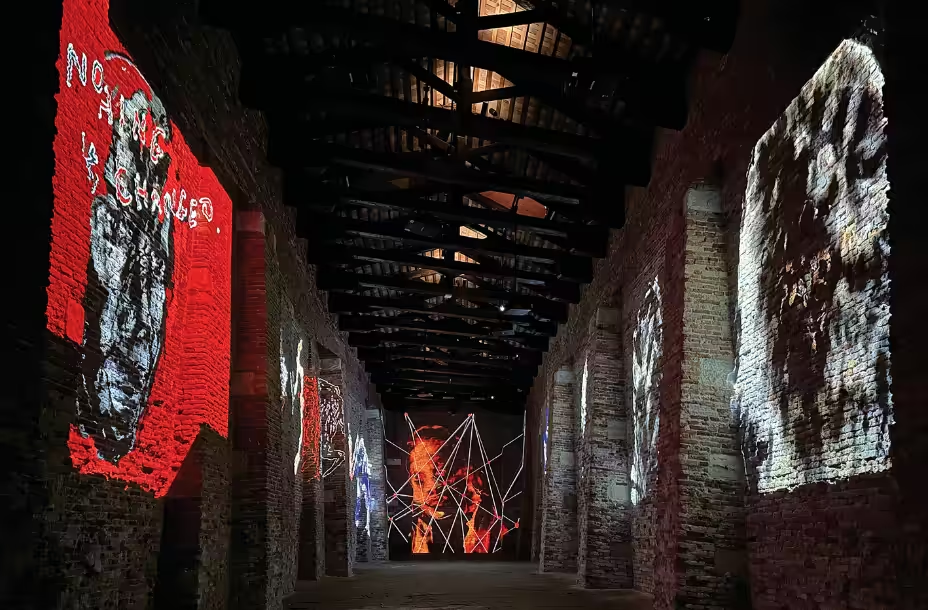
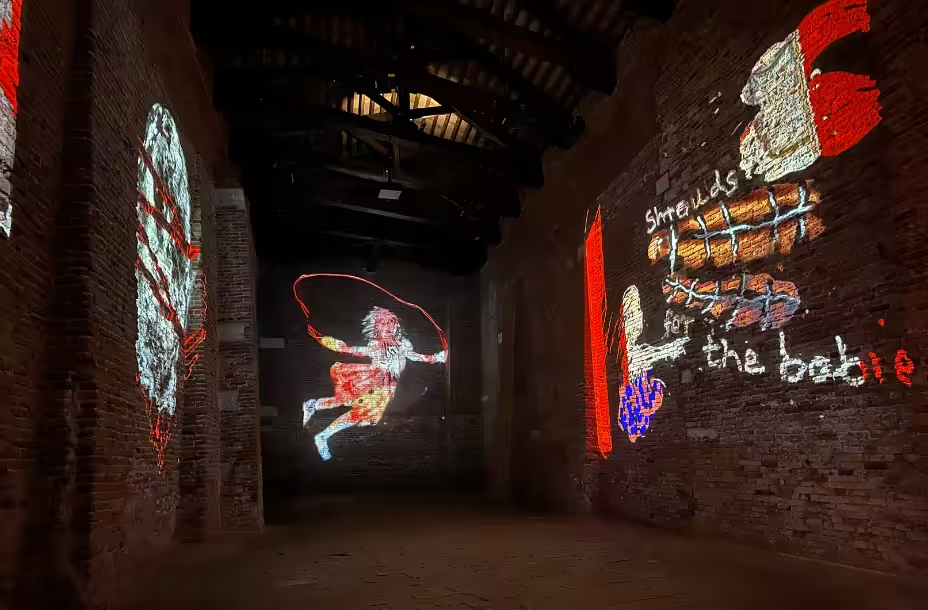
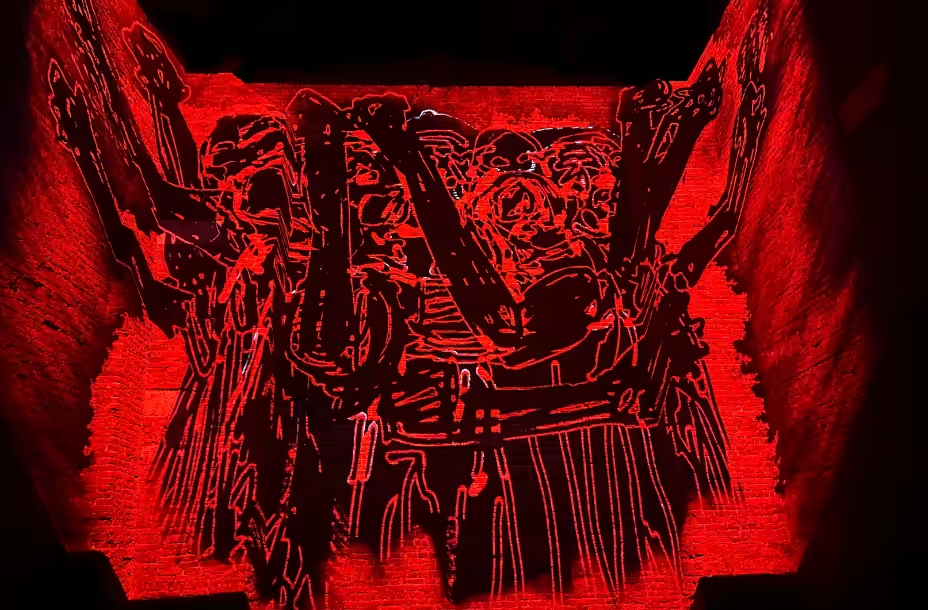
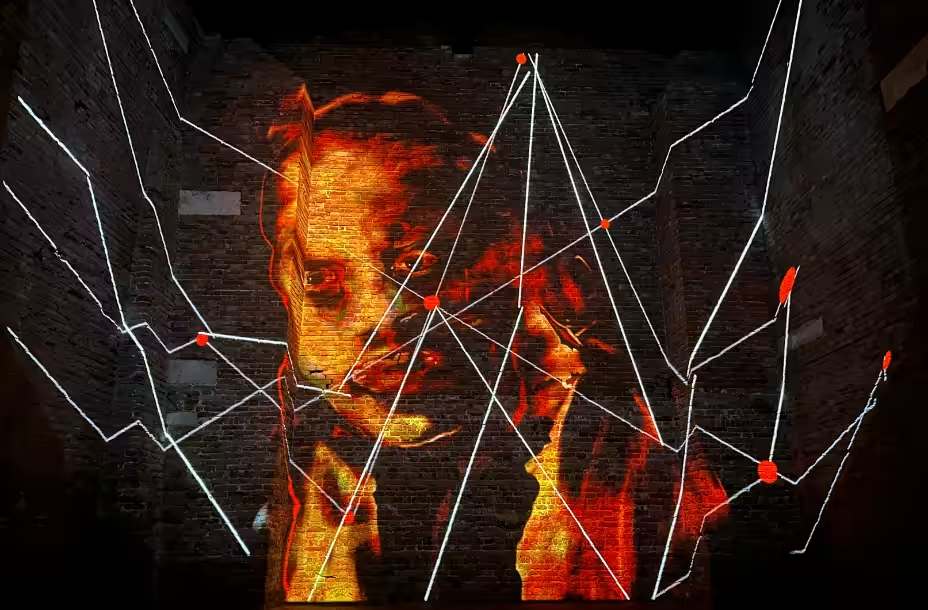
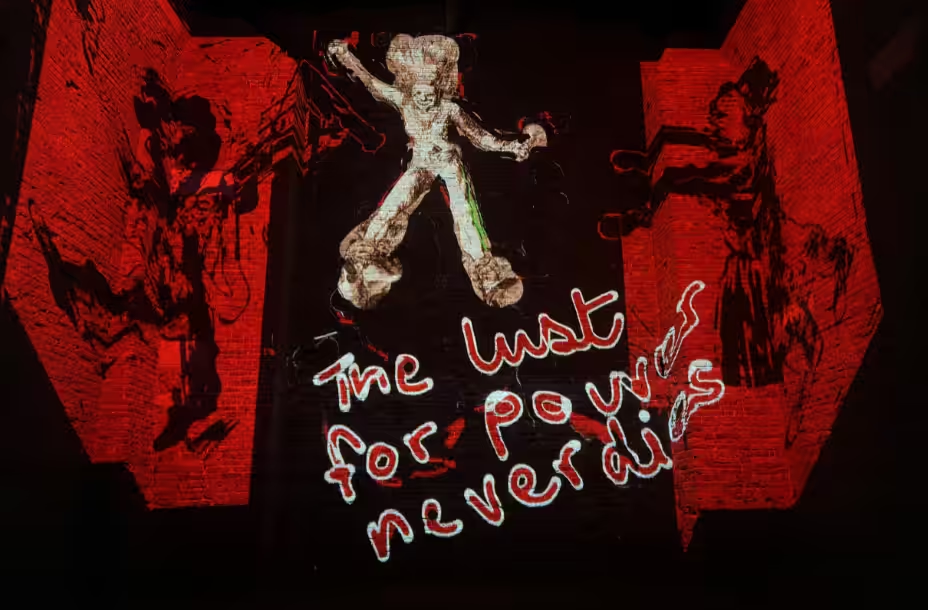
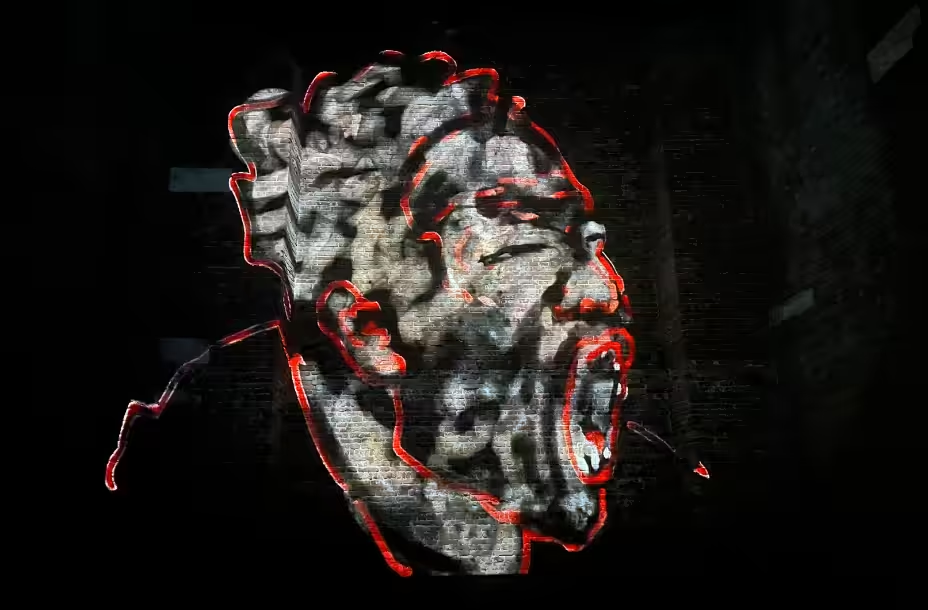
Malani employs one of her recurring formats, the animation chamber, to construct an immersive environment shaped by multiple projections and sound. Combining hand-painted and digitally rendered animations, she bridges historical and contemporary realities while transforming architectural space into an active participant in the work. Presented at the Magazzini del Sale, the projections fall directly onto the salt-crusted brick walls, allowing the building’s material history to become integral to the visual and conceptual field. The decision not to alter the interior reinforces the dialogue between image and site, where surface, texture, and residue form part of the narrative structure.
The exhibition comprises sixty-seven animations derived from more than thirty thousand iPad drawings, organised across nine projection channels, each lasting between three and five minutes. The accelerated pulse of moving images across staggered projections generates shifting juxtapositions with every cycle of appearance and disappearance. Viewers encounter constantly changing combinations of images, enabling multiple vantage points and layered spectatorial experiences. Visitors begin to combine storylines, constructing new narrations with each viewing. A twenty-minute soundscape courses through the chamber, superimposing myth and memory, justice and impunity. Rather than resolving the story of Orestes, the work invites us to inhabit its afterlives and to listen to dispossessed women whose muted histories return here with urgency.
These animation chambers evoke the idea of the agora, the open public space in classical Greece that functioned as a meeting ground for civic exchange. By projecting directly onto the Magazzini del Sale’s walls, Malani situates the work within a structure historically tied to commerce, transforming it into a space of reflection and dialogue. The architecture becomes both witness and participant, reinforcing the exhibition’s engagement with sedimented histories and collective memory.
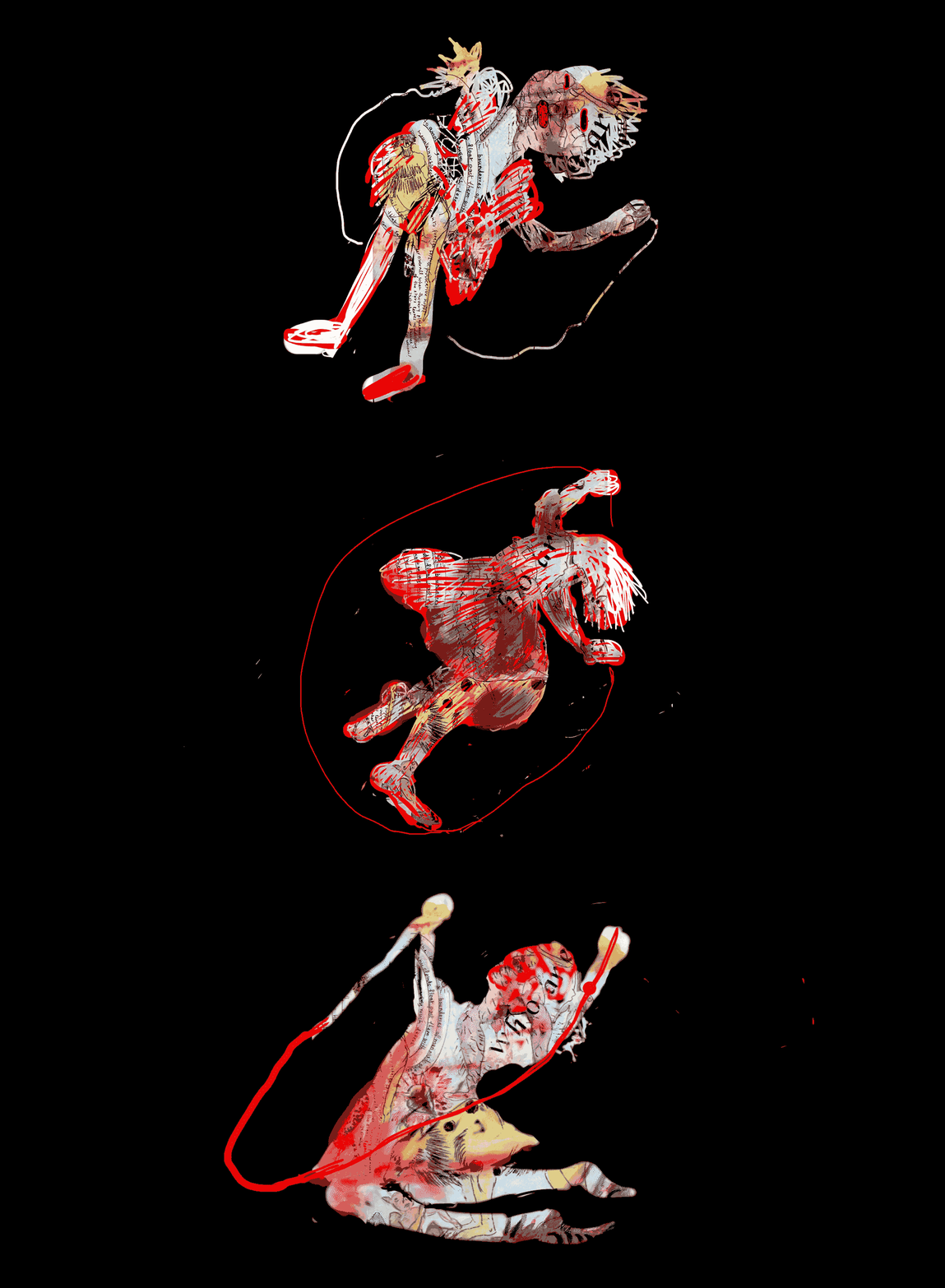
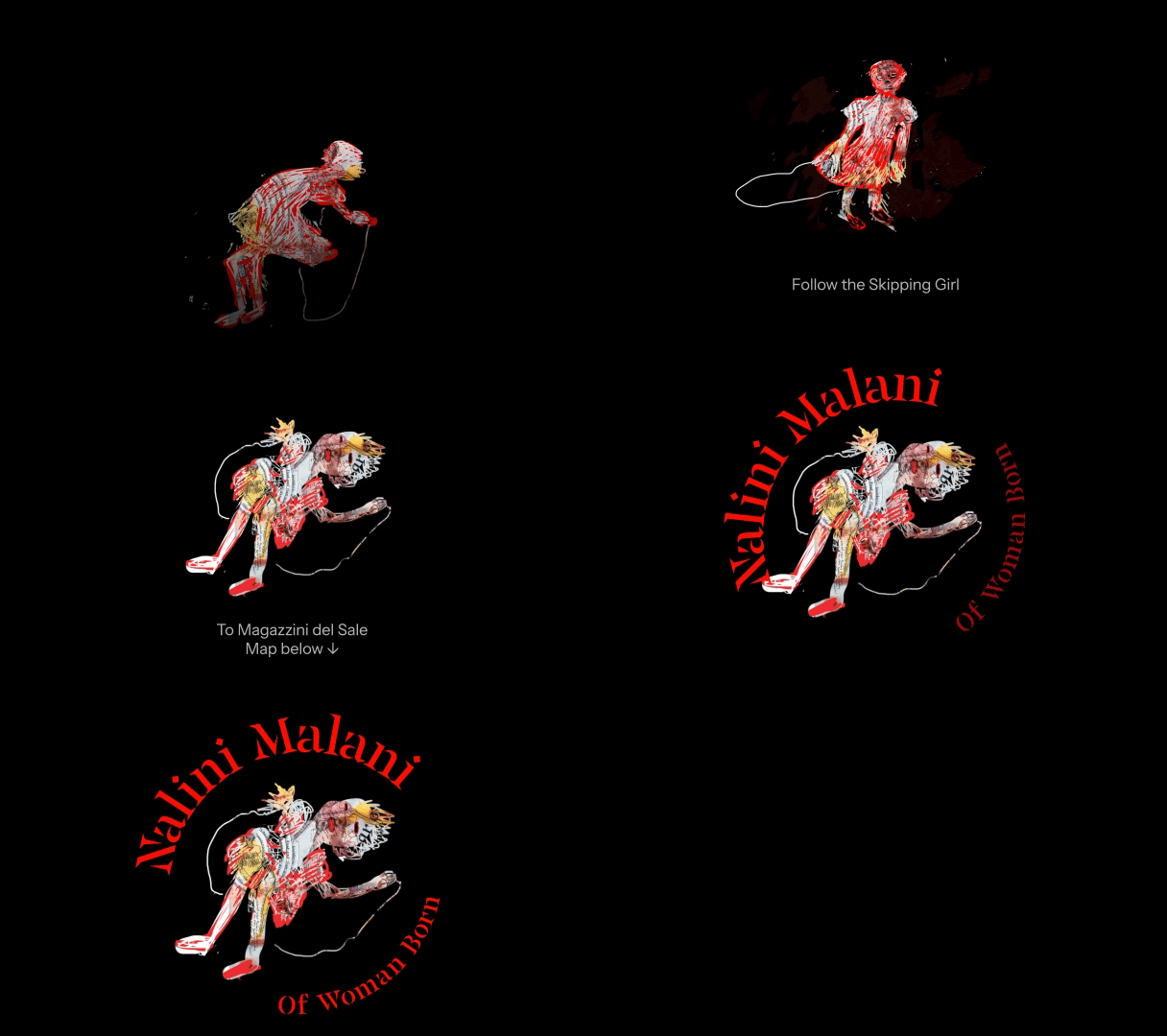
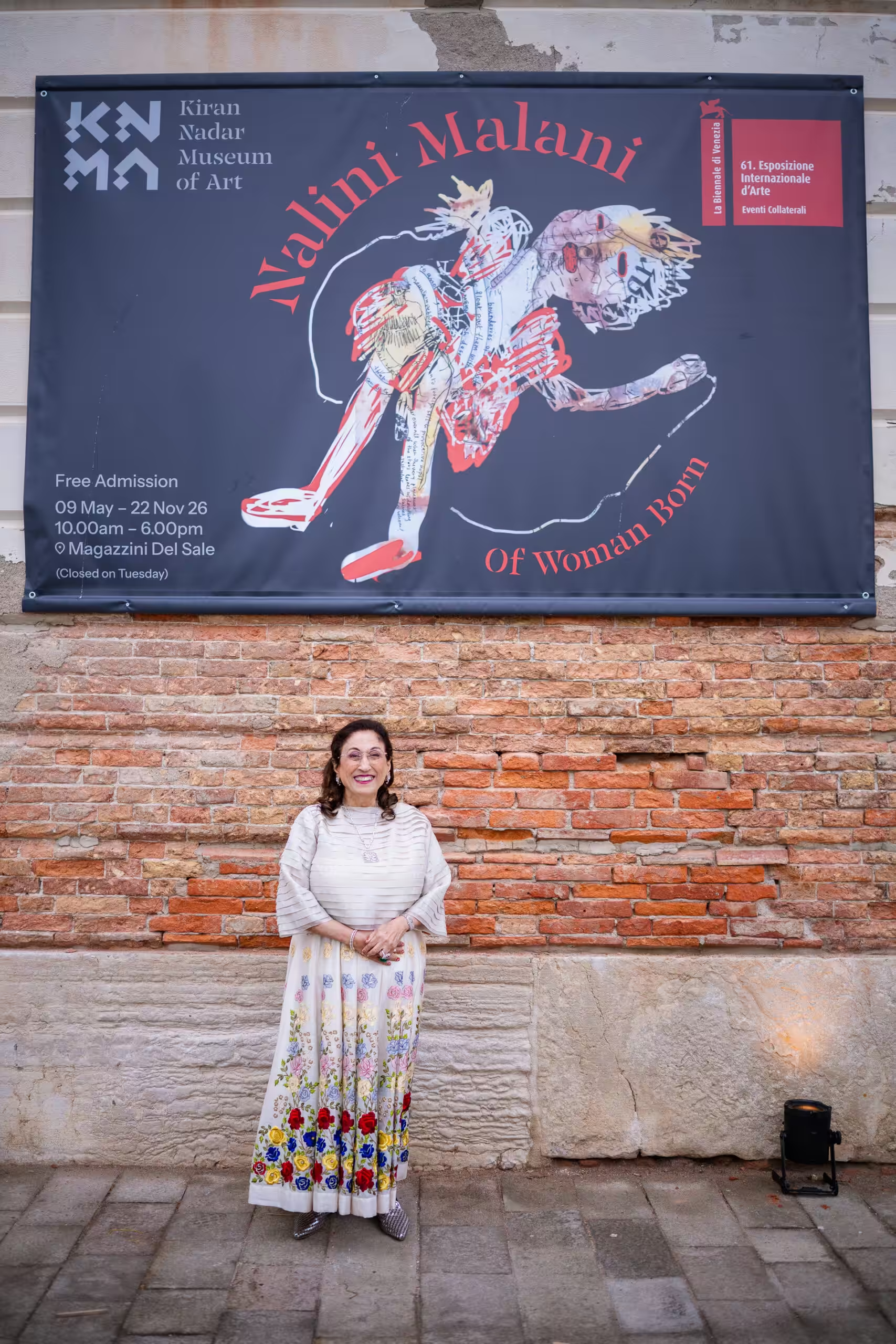
During the Biennale presentation, curatorial discussions, performances, and interactive workshops will encourage visitors to engage with the critical concerns of Malani’s practice. Public activation for the exhibition during its duration at Venice will centre on a recurring figure from the exhibition, The Skipping Girl. Appearing throughout Malani’s artistic language, this figure functions as a symbol of freedom: her continuous movement keeps her beyond control and coercion. Traversing mythology, memory, and time as both witness and survivor, she embodies a feminist perspective central to the artist’s work. Extending beyond the exhibition site, The Skipping Girl will appear on posters, banners, and vaporetto signage across Venice, guiding visitors toward the Magazzini del Sale. This city-wide activation transforms Venice into an expanded animation chamber, turning each encounter into a site of dialogue while dispersing the work into the public realm.
Carry the Skipping Girl

 Download


Moving off the walls of Magazzini del Sale and onto your screens, this digital fragment carries the Skipping Girl’s spirit of fragility and persistence, freedom and innocence, and the possibility of hope in difficult times.
Download it, share it, and let her continue her journey through your own digital space.
For more than five decades, Malani’s practice has offered a sustained critique of majoritarianism and its multiple forms of violence. Expanding across mediums and cultures, she has continually combined the hand-painted and the digital while bridging the historical and the contemporary. Kiran Nadar Museum of Art has maintained a sustained curatorial engagement with her work, including the landmark year-long retrospective You Can’t Keep Acid in a Paper Bag in 2014 in New Delhi and support for major international exhibitions such as The Rebellion of the Dead at the Centre Pompidou and the Castello di Rivoli Museo d’Arte Contemporanea. Among more than fifty institutions worldwide that hold Malani’s work, Kiran Nadar Museum of Art maintains the most comprehensive collection spanning nearly six decades of her oeuvre, underscoring the Museum’s longstanding commitment and its presentation at Venice.
As Roobina Karode said, “Malani compels us to understand that Nalini Malani Of Woman Born is not a sentimental invocation but a political demand. It calls upon us to recognise Janani, the generative mother, not as a figure to be worshipped in abstraction, but as one whose labour, suffering, resistance, and premonition must be foregrounded, centred, and honoured. In Minor Keys, Koyo Kouoh’s curatorial vision of attunement to subtle frequencies and quiet signals, Malani’s repetition, exhaustion, and refusal of closure find their proper frame. To listen to women, to hear the voices of the silenced, and to witness the violence that patriarchy enacts against the nurturer requires precisely this willingness to remain in exhaustion.”

Fondamenta Zattere Ai Saloni,
262, 30123 Venezia VE, Italy
Reach us from any of the below Vaporetto Stops.
Spirito Santo
Take Vaporetto 5.2 to Spirito Santo: 3 minutes walk from Spirito Santo to Venue.
Salute
Take Vaporetto 1 to Salute: 8 minutes walk from Salute to Venue
Accademia
Take Vaporetto 2 to Accademia: 10 minutes walk from Accademia to Venue

 Magazzini del Sale, Venice
Magazzini del Sale n. 5, Fondamenta Zattere Ai Saloni, Dorsoduro 262, 30123 Venezia


 Nalini Malani – Of Woman Born
  Nalani
  Nalini Malani – Of Woman Born
  Nalini Malani – Of Woman Born
  Nalini Malani – Of Woman Born
  Nalini Malani – Of Woman Born
  Nalini Malani – Of Woman Born
  Nalini Malani – Of Woman Born
  Magazzini Del Sale, Courtesy KNMA
  Magazzini Del Sale, Courtesy KNMA
  Nalini Malani – Of Woman Born
 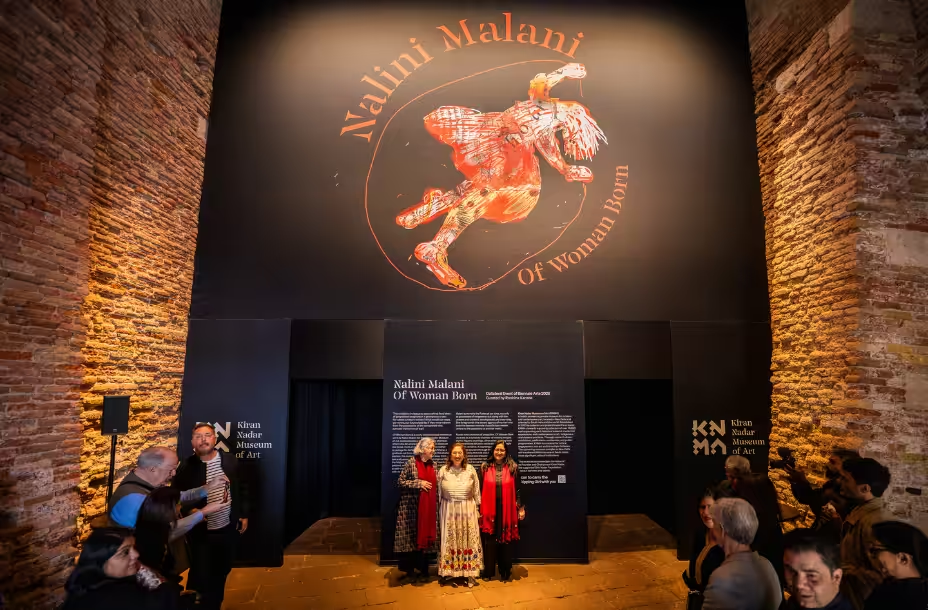 Pre-Opening Day, Courtesy KNMA
  Pre-Opening Day, Courtesy KNMA
 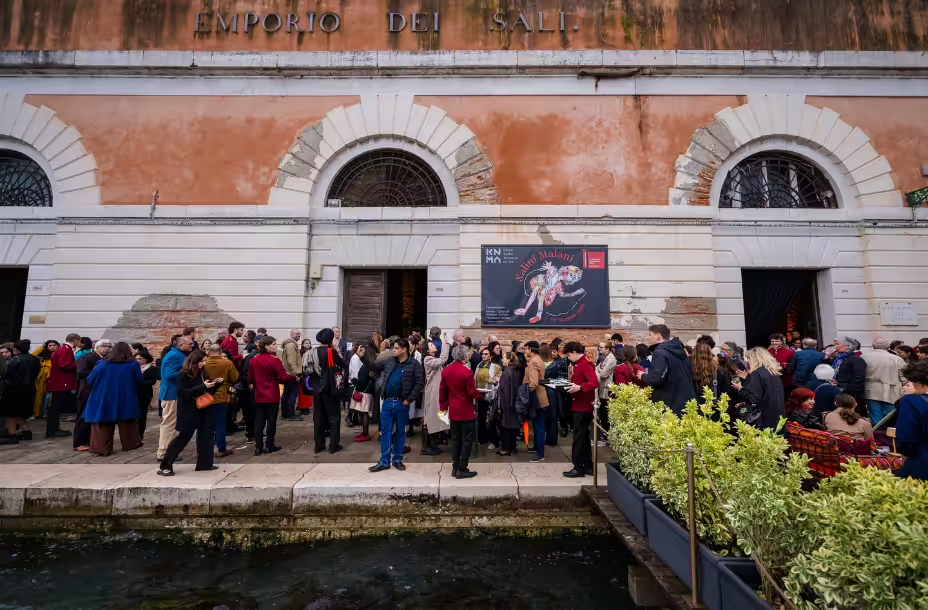 Opening Day, Courtesy KNMA
 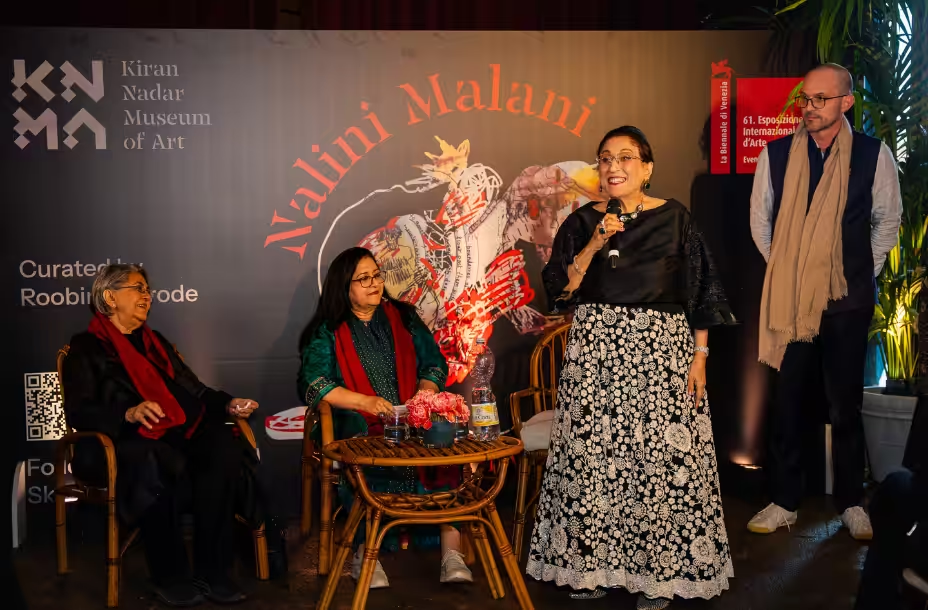 Talk on the Opening Day, Courtesy KNMA
  Talk on the Opening Day, Courtesy KNMA
  Talk on the Opening Day, Courtesy KNMA
  Talk on the Opening Day, Courtesy KNMA
 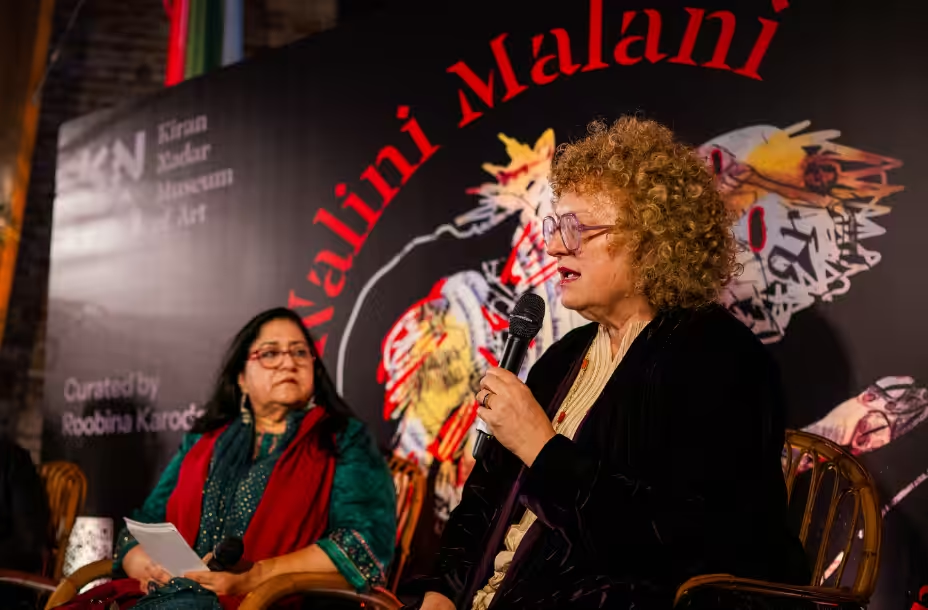 Talk on the Opening Day, Courtesy KNMA
 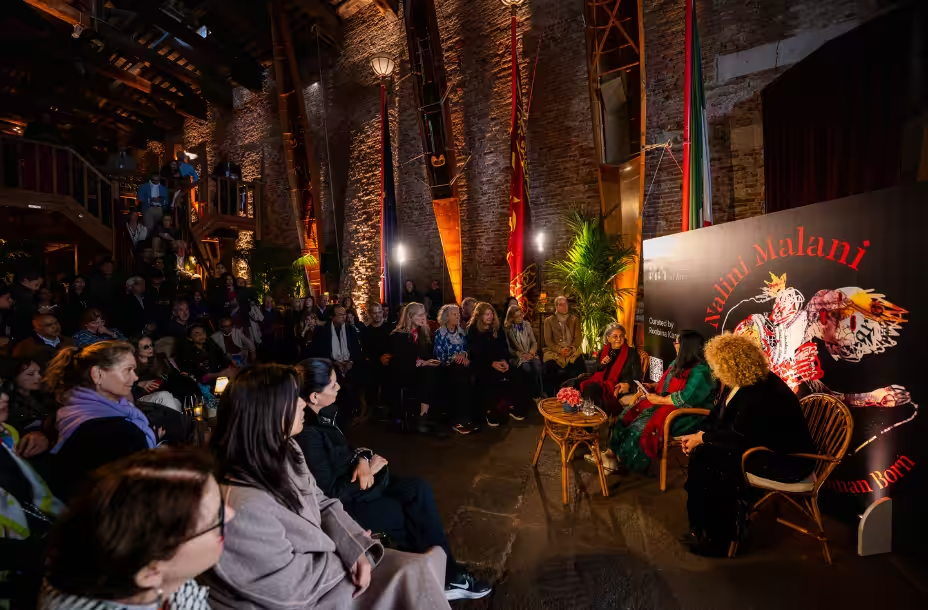 Talk on the Opening Day, Courtesy KNMA
 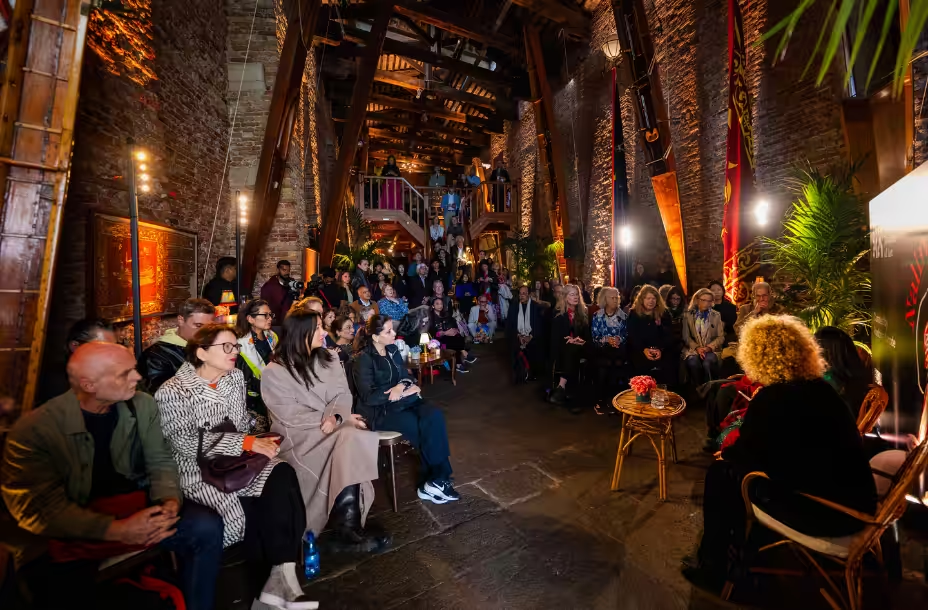 Talk on the Opening Day, Courtesy KNMA
 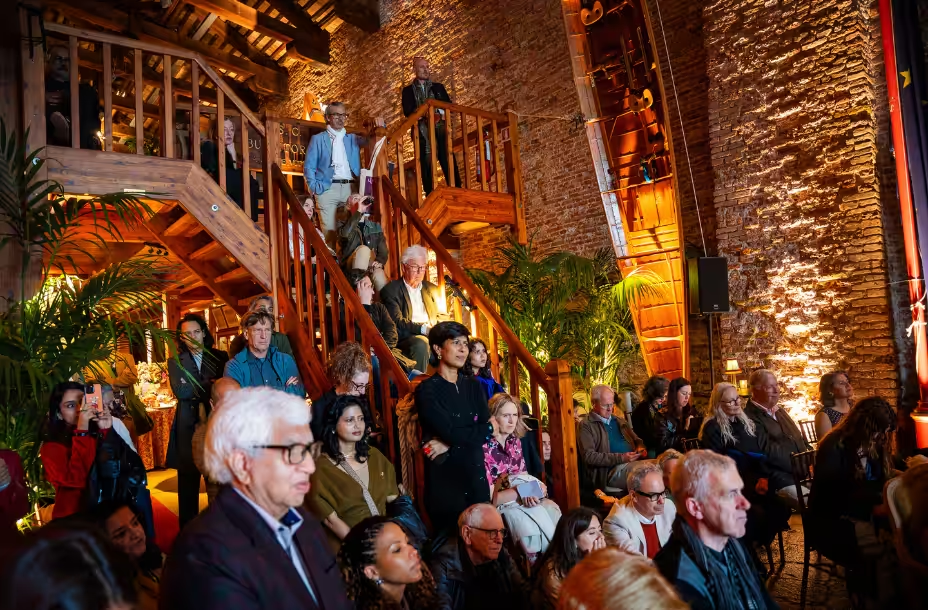 Talk on the Opening Day, Courtesy KNMA
  Performance on the Opening Day, Courtesy KNMA
  Performance on the Opening Day, Courtesy KNMA
  Performance on the Opening Day, Courtesy KNMA
  Performance on the Opening Day, Courtesy KNMA
  Performance on the Opening Day, Courtesy KNMA
  Performance on the Opening Day, Courtesy KNMA
 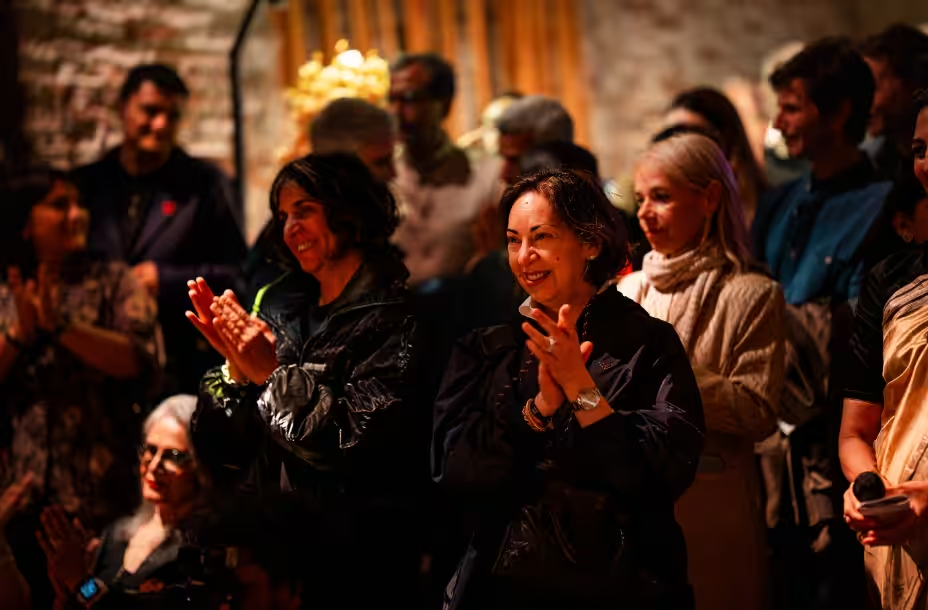 Performance on the Opening Day, Courtesy KNMA
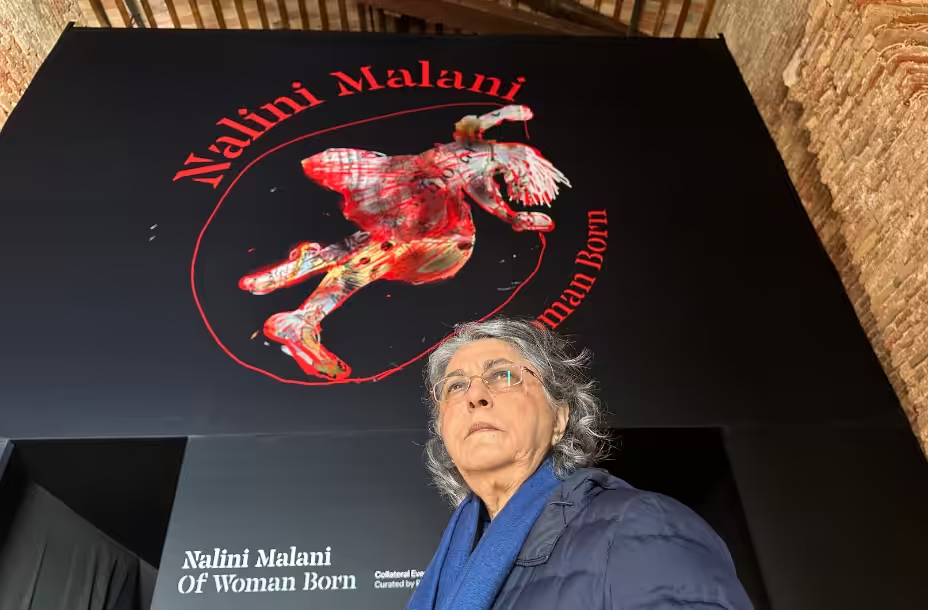
 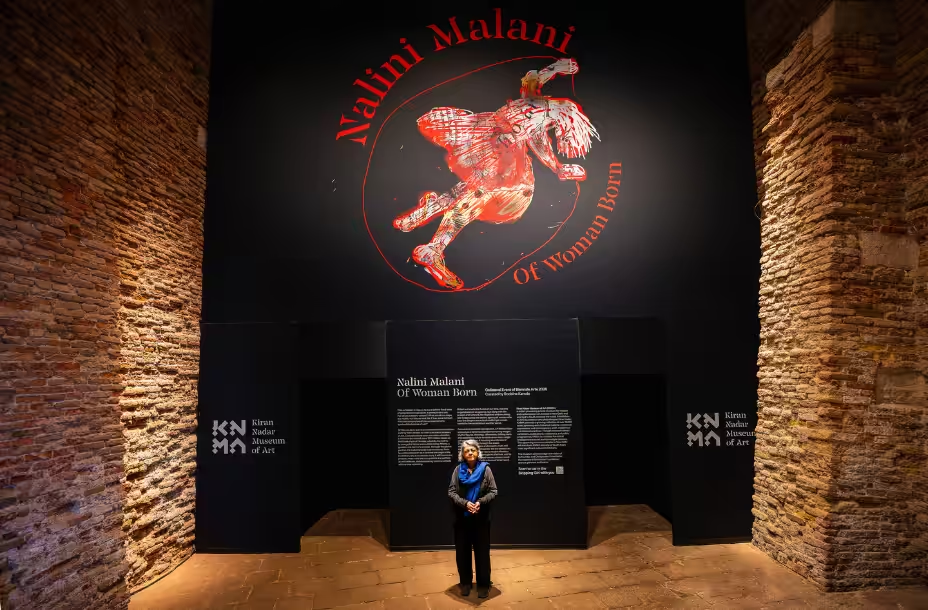 Exhibition Title Wall, Courtesy KNMA
 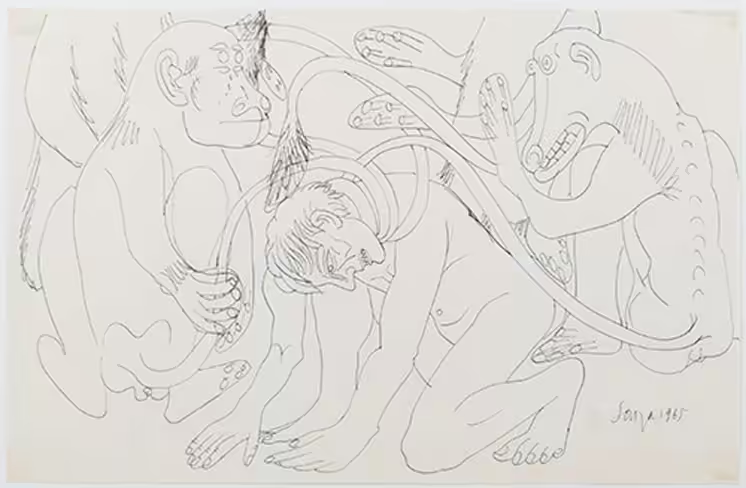 Exhibition View, Courtesy KNMA
  Exhibition View, Courtesy KNMA
 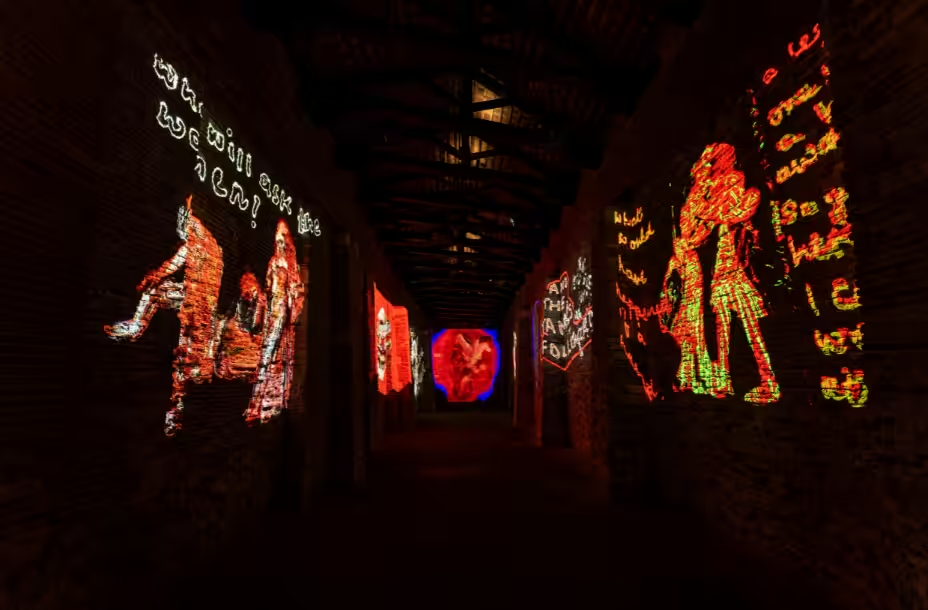 Exhibition View, Courtesy KNMA
 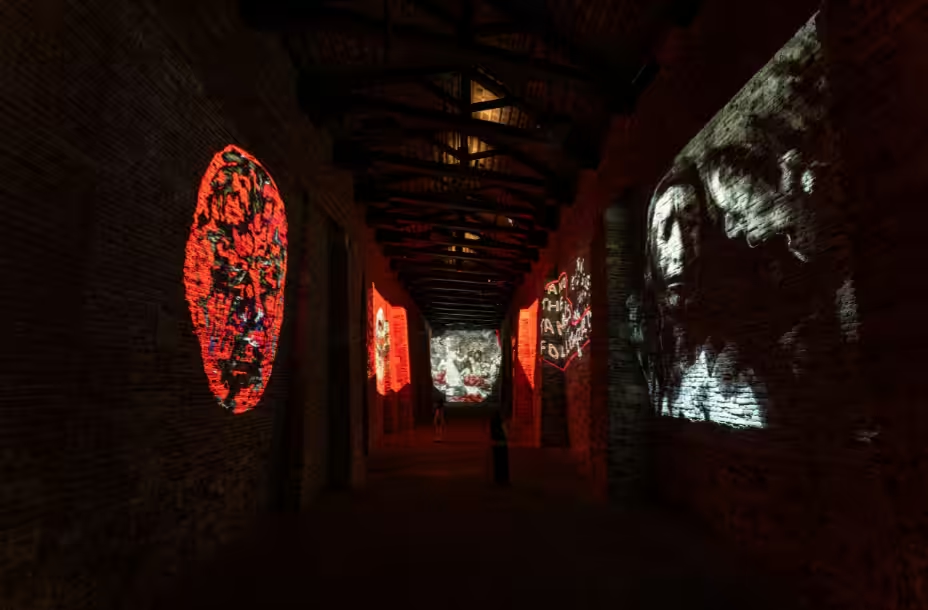 Exhibition View, Courtesy KNMA
 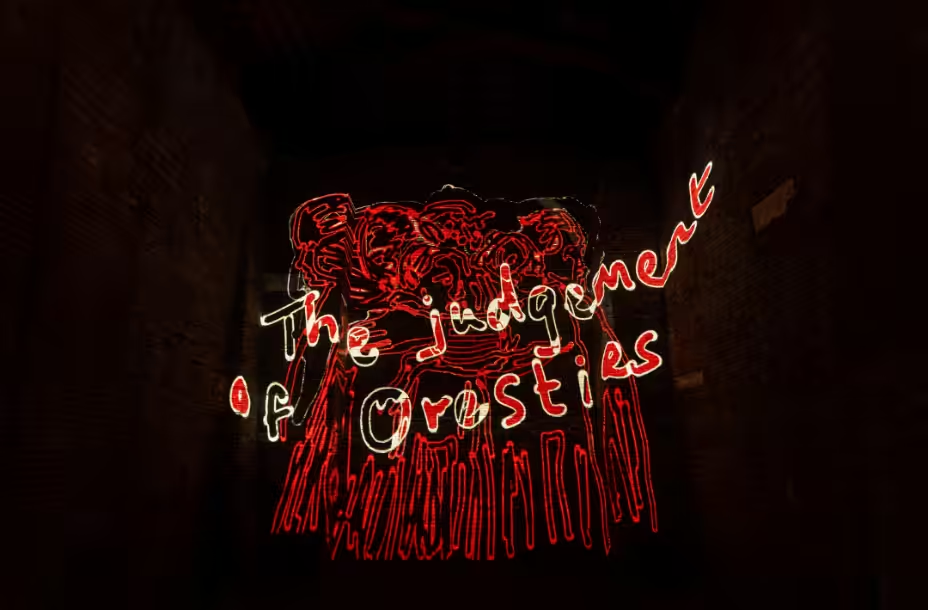 Exhibition View, Courtesy KNMA
 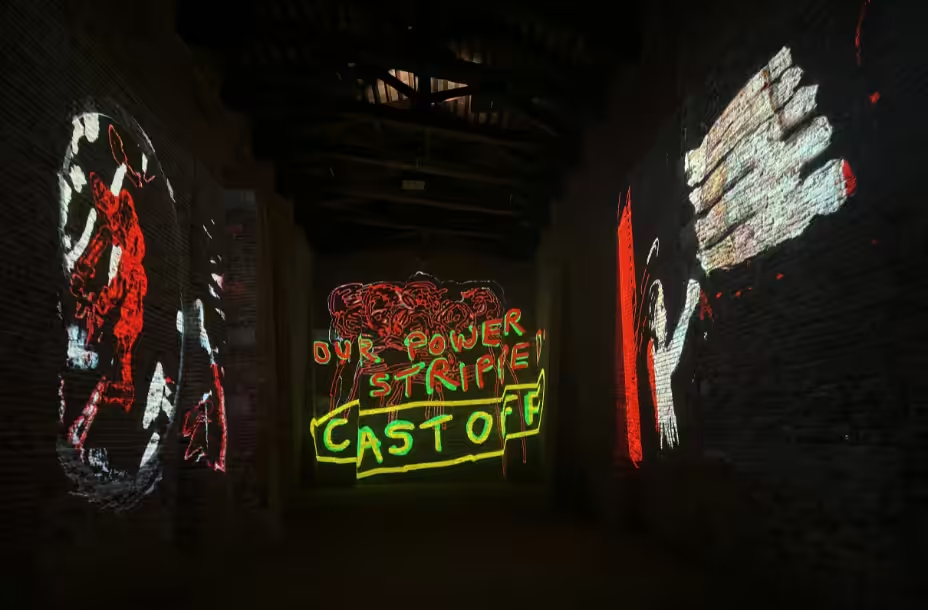 Exhibition View, Courtesy The Artist Nalini Malani
 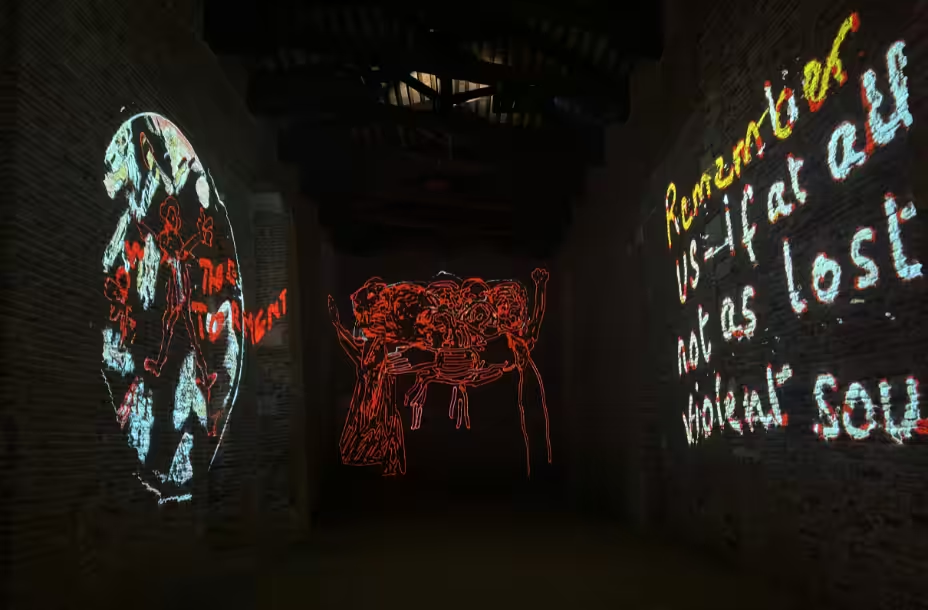 Exhibition View, Courtesy The Artist Nalini Malani
 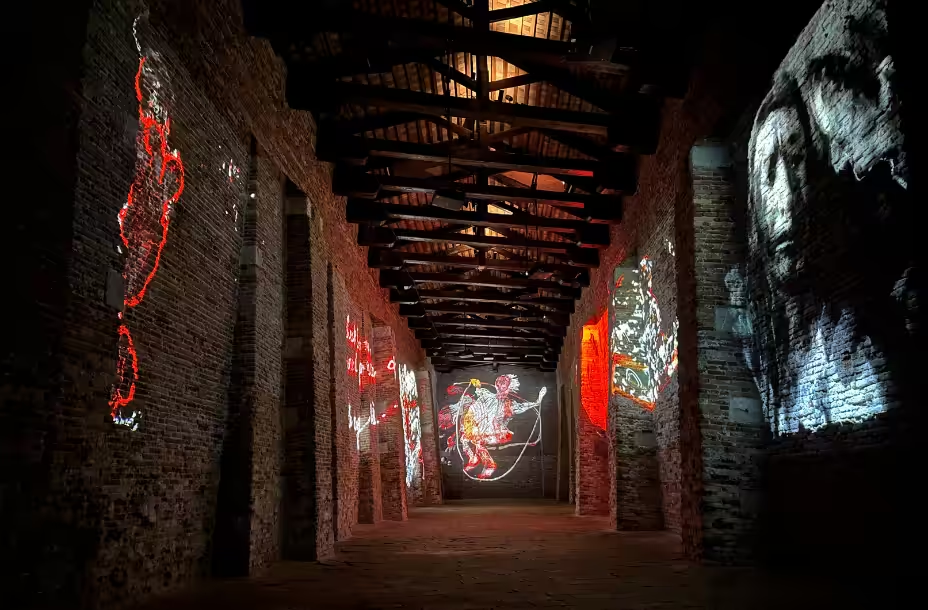 Exhibition View, Courtesy The Artist Nalini Malani
 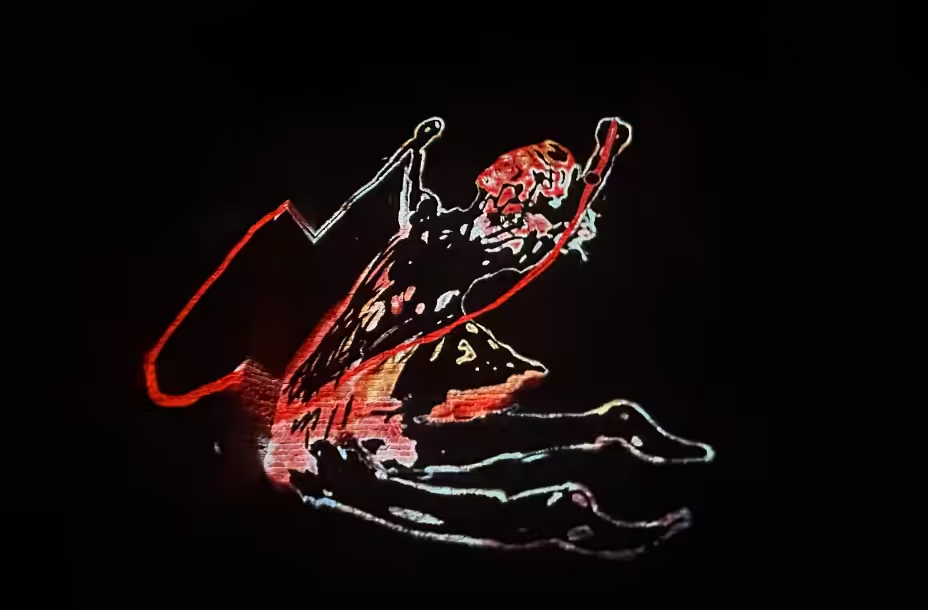 Exhibition View, Courtesy The Artist Nalini Malani